
2026 Best Automotive Body Parts Suppliers for Global Buyers
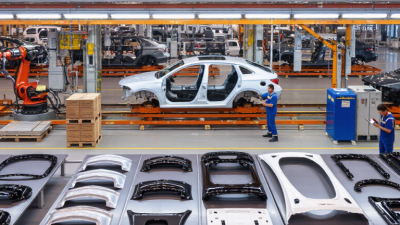
The worldwide demand for automotive body parts is actually on the rise. This is pretty much driven by more vehicle production, longer ownership periods, and of course, stricter repair expectations from both consumers and regulators. According to OICA, a global automotive organization, around 93.5 million vehicles were made in 2023—that's a lot! With so many cars on the road, there's a steady need for parts like fenders, hoods, bumpers, doors, grilles, and structural panels. These components need to fit just right, resist corrosion, and support safe repairs—pretty important stuff.
Now, if you're looking into sourcing these parts in 2026, this guide is here to help you review some of the top suppliers around the globe. We consider factors like manufacturing capacity, how extensive their catalogs are, quality control systems, experience with exports, warranty policies, and the documentation they provide. Certifications like IATF 16949 and ISO 9001 are good indicators—they show that a company has solid production controls. But just having certificates isn’t a guarantee that every part will be perfect; it’s also smart to look at sample panels, check coating thickness, see how sturdy the packaging is, and ensure batch traceability—little details that really count.
It’s also helpful to put things into perspective with industry reports. For example, S&P Global Mobility mentioned that by 2024, the average age of cars on US roads hit about 12.6 years. Older cars tend to need more replacement body parts, which keeps the demand steady. Then there's the Auto Care Association, which puts the U.S. automotive aftermarket at hundreds of billions of dollars each year—that's a huge market! But, here’s the thing—public reports rarely break down collision body parts from the broader aftermarket. That’s a bit of a limitation, so keep that in mind. And honestly, no ranking or report can be perfect.
The companies featured include well-established manufacturers, aftermarket specialists, and international distributors. Their capabilities might vary based on your region, the vehicle brand, the material you need, and the size of your order. So, before you lock anything in, make sure to double-check certs, applicable safety standards like ECE or FMVSS, delivery terms, and any local import rules. Finding reliable sources isn’t just about getting the lowest price—in fact, it’s more about consistent quality, solid proof of where your parts are coming from, and fewer surprises at the repair shop down the line.
Read more »