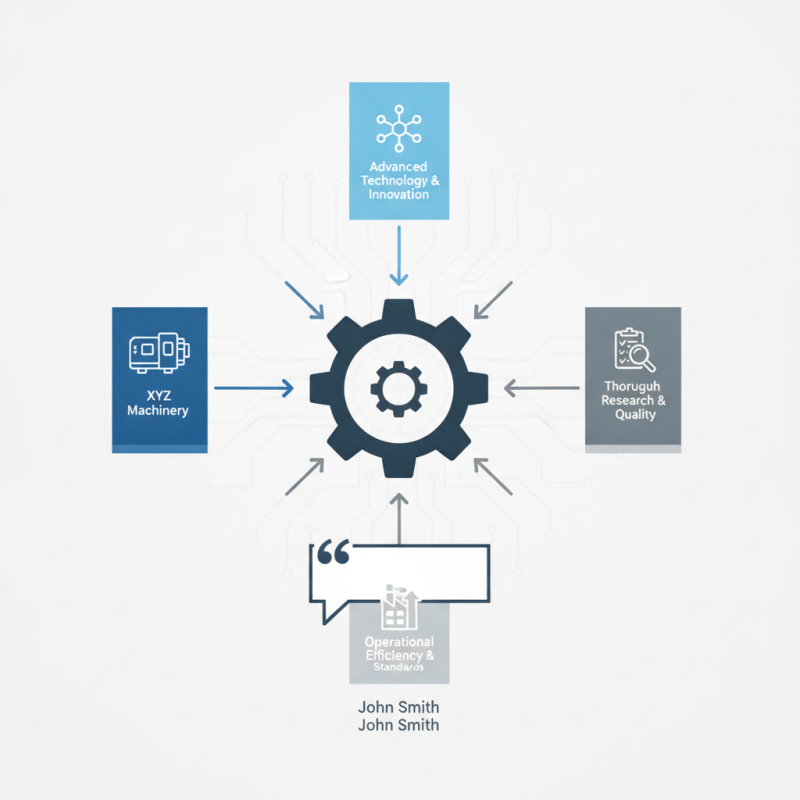
In the constantly changing world of manufacturing, picking out a reliable Cnc Processing Center can really make all the difference. I mean, as John Smith, a well-respected guy in the field of precision engineering, once pointed out, "Choosing the right CNC Processing Center is key to getting good results and staying efficient." That kind of wisdom really hits home in the industry.
Today, there are tons of companies all competing in the CNC Processing Center space. Some really stand out because they focus on quality and pushing innovations. Like XYZ Machinery — they’re known for their tough, reliable designs and cutting-edge tech. But even the biggest players have to keep adapting to the new challenges that pop up.
Now, let's be honest — not all companies that claim to offer top-notch solutions actually deliver on those promises. It’s super important to do your homework before investing in a CNC Processing Center. That way, you can make sure it really matches what your business needs and standards. With the right info in hand, navigating this pretty complex market becomes way easier. So, take your time, do your research, and you’ll be in a much better spot to make the right call.
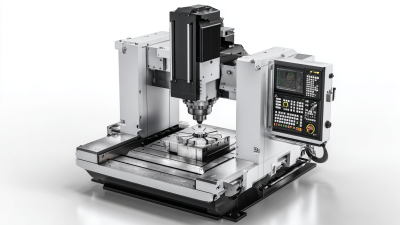
CNC processing centers play a crucial role in modern manufacturing. These advanced machines automate tasks that require precision and consistency. They enhance productivity and reduce human error. Engineers often rely on their capabilities to create complex components across various industries. Manufacturing processes become faster and more efficient, resulting in higher quality products.
The importance of China Cnc Processing Centers cannot be overstated. These machines often integrate innovative technology, fueling advancements in production methods. However, not all centers operate at the same quality level. Companies must select providers carefully. Reliability and expertise are paramount in this sector. Without them, production delays and increased costs may arise.
It's essential to recognize areas for improvement in CNC processing. While these machines excel at producing consistent results, they require skilled operators for optimal performance. Learning how to operate and maintain these centers is vital. Continuous training ensures the workforce adapts to evolving technologies. By focusing on these aspects, businesses can fully harness the potential of CNC processing centers.
| Feature | Description | Importance |
|---|---|---|
| Machine Type | Vertical, Horizontal, Multi-tasking | Adaptability to various manufacturing needs |
| Material Compatibility | Metals, Plastics, Composites | Versatility in production |
| Precision | ±0.01mm to ±0.1mm | Critical for high-quality output |
| Automation | Integrated Systems, Robotics | Enhances efficiency and reduces error |
| Software Integration | CAD/CAM Systems | Streamlines design-to-manufacturing |
| Cost Efficiency | Initial Investment vs. Long-term Savings | Critical for ROI in manufacturing |
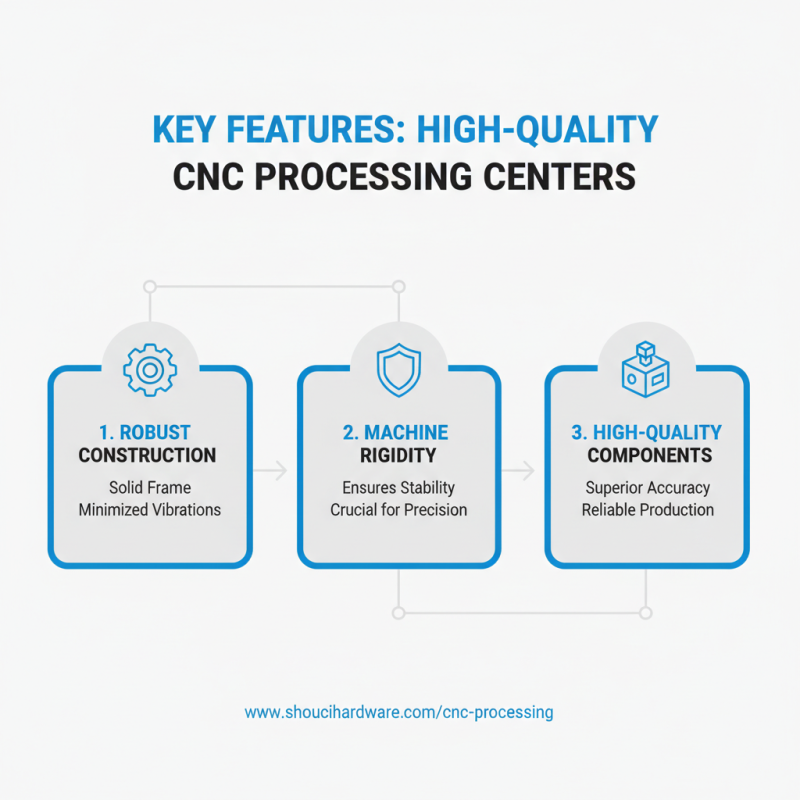
When considering high-quality Cnc Processing centers, there are specific key features to examine. Look for machines with robust construction, which ensures stability during operations. A solid frame minimizes vibrations. Vibrations can lead to inaccuracies. The rigidity of the machine plays a central role in producing high-quality components.
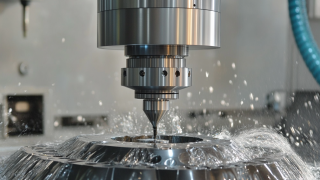
Another critical aspect is precision. A quality CNC processing center should have tight tolerances. Tolerances of ±0.01 mm are often essential in various industries. Data from the International Society of Automation indicates that precision impacts not just quality but also operational efficiency. Choose systems that feature high-resolution encoders and advanced control algorithms. These technologies significantly enhance the accuracy of CNC processing.
Lastly, consider the software capabilities. Modern CNC processing centers should integrate advanced software for design and simulation. Software that provides real-time feedback can help adjust parameters on the fly. According to a recent study, over 45% of companies achieve better outcomes through such advancements. This highlights a growing trend towards smart manufacturing. Therefore, it’s crucial to assess these features when selecting a CNC processing center for your projects.
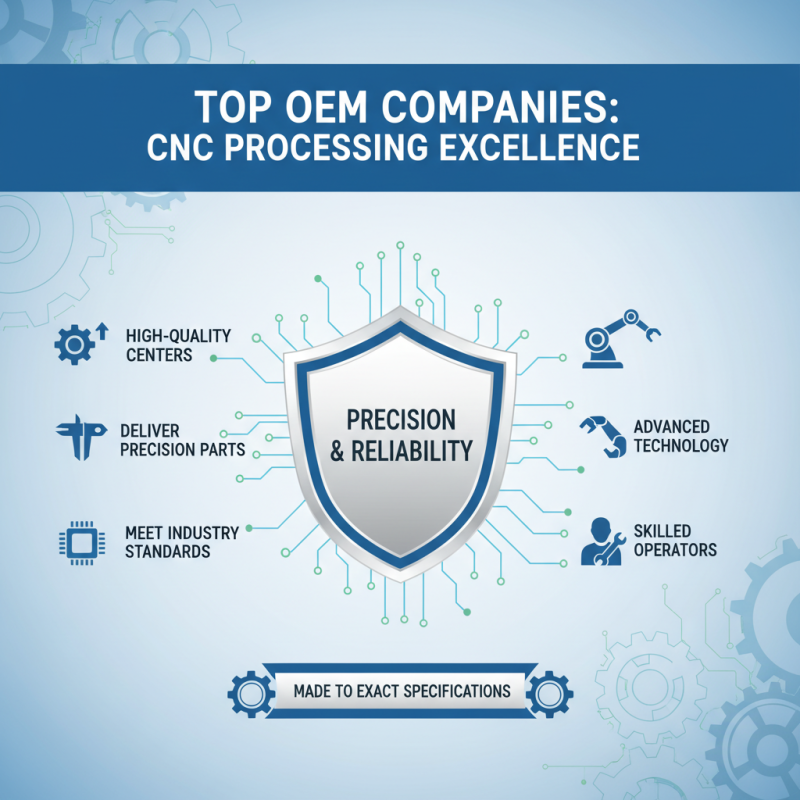
In the realm of CNC processing, many companies stand out for their excellence. High-quality CNC processing centers are often characterized by their precision and reliability. These centers focus on delivering precision parts that meet the highest industry standards. They employ advanced technology and skilled operators to ensure each component is made to exact specifications.
CNC processing factories must adapt to evolving demands. As industries push for innovation, flexibility becomes essential. For instance, responding to quick turnaround times can be challenging. It is vital for these factories to balance quality with efficiency. Some may struggle with maintaining standards during high-pressure situations. These challenges reveal areas for growth and improvement.
Expertise in CNC processing is not solely about technology. It also involves understanding customer needs. Effective communication and collaboration with clients can enhance outcomes. Some companies still find it difficult to engage with customers deeply. Improving these relationships is crucial for sustained success in the competitive landscape of CNC processing.
When selecting a CNC processing center provider, several key factors come into play. Understanding the specifics of your project is vital.
Material type,
complexity, and volume can dictate the kind of provider you need. A provider experienced in
aluminum may not be best for
composite materials. Knowing your requirements influences your choice significantly.
Another aspect to consider is the provider's
technological capabilities. High-quality machines with advanced capabilities lead to better outcomes.
Speed,
precision, and
efficiency are essential for maintaining competitive advantage. However, not every provider has the latest technology.
Assessing which services a provider can truly deliver is crucial.
Lastly, communication plays a significant role. How responsive is the provider to inquiries? Effective dialogue can prevent misunderstandings later.
Yet, sometimes, companies fail to communicate effectively, leading to misaligned expectations. Evaluating a provider's past client interactions can reveal important insights into their reliability.
The CNC processing center market is highly competitive, with many leading companies vying for prominence. A recent industry report revealed that the global CNC machining market is projected to reach USD 100 billion by 2026. This indicates a growing demand for high-quality manufacturing solutions across various sectors, including aerospace, automotive, and consumer goods.
When evaluating Cnc Processing Suppliers, key factors include precision, speed, and technology integration. Some suppliers offer advanced automation features that enhance productivity. However, potential buyers should consider the learning curve that comes with new technologies. Quality control remains critical; even minor defects can significantly impact production efficiency. Moreover, the varying degrees of after-sales support can affect long-term customer satisfaction.
It is essential to analyze user reviews and case studies. This often reveals real-world performance metrics, which can be more reliable than just marketing claims. Engaging with industry experts or joining forums can provide insights into which CNC processing centers deliver on their promises. The knowledge gained can guide businesses in making informed decisions that lead to successful machining outcomes.
Emerging trends in CNC technology are reshaping the manufacturing landscape. Today, advanced automation and AI integration push the boundaries of traditional CNC processes. These innovations not only enhance precision but also boost production efficiency significantly. Manufacturers are now leveraging smart machines that self-optimize based on performance data. This leads to reduced downtime and improved quality control.
Tips: Consider investing in training for your staff. Knowledge of the latest tools can enhance productivity. Encourage open communication about process improvements.
3D printing and multi-material processing are gaining traction in CNC manufacturing. Companies are exploring the potential of hybrid machines that combine additive and subtractive techniques. This approach opens up new possibilities for complex designs and reduces material waste. However, the integration of these technologies can pose challenges, such as steep learning curves and initial costs. Reflection on these factors is essential for long-term success.
Tips: Start small with prototypes before full-scale production. Testing various techniques can save resources. Continuous learning and adaptability are critical in this rapidly evolving field.
CNC processing has transformed various industries, providing precision manufacturing solutions. Case studies reveal how companies implement CNC technology to streamline operations. One instance involves a mid-sized aerospace firm that adopted CNC machining for complex components. Despite initial challenges with programming, the firm experienced reduced production times and improved accuracy over time.
Another example comes from the automotive sector. A company integrated CNC processing into its assembly line but faced issues with material waste. However, through incremental adjustments and employee training, they optimized their processes. This shift not only cut costs but also enhanced product quality. It demonstrates that reflection and adaptation are vital in CNC implementations.
These cases illustrate the potential of CNC technology when approached thoughtfully. Successful outcomes often depend on a commitment to continuous improvement. Companies must be prepared to troubleshoot and refine their strategies in real time. Investing in skilled personnel and quality equipment is crucial, but the journey often involves trial and error. Nonetheless, the results validate the effort.
: They automate tasks that require precision, enhancing productivity and reducing human error.
Companies must evaluate providers based on reliability and expertise to avoid production delays.
Skilled operators are essential, and continuous training helps adapt to evolving technologies.
Look for robust construction, precision, and advanced software capabilities for better outcomes.
Tighter tolerances, like ±0.01 mm, improve not just quality but also operational efficiency.
Advanced software that offers real-time feedback allows for on-the-fly adjustments, enhancing accuracy.
There may be a learning curve, and understanding it is crucial for effective implementation.
They provide real-world performance metrics that guide informed decisions in CNC processing choices.
Even small defects can significantly impact overall production efficiency and product quality.
Varying degrees of support can affect long-term customer satisfaction and machine performance.
CNC Processing Centers play a crucial role in modern manufacturing, offering precision and efficiency in various applications. When considering a CNC Processing Center, it is essential to evaluate key features such as accuracy, versatility, and the types of materials it can handle. The landscape of CNC technology is rapidly evolving, with emerging trends focusing on automation, advanced software integration, and enhanced processing capabilities, which are reshaping how manufacturers operate.
In selecting the right provider for CNC Processing Centers, businesses must consider factors such as reliability, technical support, and cost-effectiveness. A comparative analysis of leading brands reveals diverse strengths and innovations within the industry. Case studies highlight successful implementations where CNC Processing Centers have significantly improved productivity and quality, showcasing the transformative impact of adopting advanced CNC solutions in manufacturing processes.