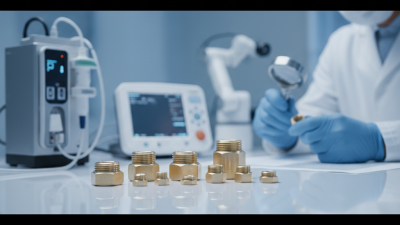
The global market for Medical Device Brass Nuts is still changing, mainly because of ongoing innovation and increasing demand. Industry insiders often highlight just how important it is to have top-notch manufacturing standards. For example, Dr. John Smith, who's a lead engineer working on medical device parts, mentions, "When it comes to Medical Device Brass Nuts, precision and reliability aren’t just nice-to-haves — they’re absolutely critical for keeping patients safe."
As healthcare grows and evolves, suppliers of OEM Medical Device Brass Nuts need to stay on their toes. Companies like BrassTech and MedNut Industries really stand out, mainly because they’re committed to quality and using the best materials. They also keep strict quality checks — you know, the kind that really make a difference. But honestly, not every supplier follows these high standards, which can cause some worries about getting consistent, reliable products.
Finding trustworthy Medical Device Brass Nuts can be pretty tricky. It’s often a challenge for buyers to find components that actually meet all the regulatory requirements. So, it’s super important to do your homework and stay cautious. Because if you end up with subpar parts, it could compromise medical devices and, ultimately, patient care. Staying proactive is the way to go — that way, you’re more likely to get top-quality products in this competitive market.

Overview of Brass Nuts Used in Medical Devices
Brass nuts play a vital role in the assembly of medical devices. Their strength and resistance to corrosion make them ideal for various applications. In surgical instruments, they secure components tightly. This ensures reliability during procedures. Medical devices often operate in challenging environments. Brass nuts withstand exposure to moisture and disinfectants.
Manufacturers must consider quality and precision when producing brass nuts. Even small defects can pose risks in medical settings. Maintaining strict tolerances is crucial for proper fit and function. Testing and certification by third-party organizations help ensure safety and compliance. Still, some suppliers may not always meet these standards, leading to potential issues for buyers.
Understanding brass nut specifications is essential for global buyers. Buyers should focus on material composition, dimensions, and finish. Each factor contributes to the overall performance of the medical device. As the demand for innovative healthcare solutions grows, the need for high-quality components remains critical. Manufacturers and buyers must engage in ongoing dialogue. This collaboration ensures better outcomes in patient care and device reliability.
Top Medical Device Brass Nut Suppliers for Global Buyers
| Supplier Location |
Production Capacity (Units/Month) |
Quality Certification |
Key Applications |
Average Lead Time (Days) |
| North America |
50,000 |
ISO 13485 |
Surgical Instruments, Diagnostic Devices |
30 |
| Europe |
40,000 |
CE Marked |
Orthopedic Devices, Dental Tools |
25 |
| Asia |
100,000 |
ISO 9001 |
Wearable Devices, Monitoring Equipment |
20 |
| South America |
30,000 |
ANVISA Certified |
Cardiovascular Devices, Infusion Pumps |
35 |
Key Features and Benefits of Brass Nuts in Healthcare Applications
Brass nuts play a crucial role in various healthcare applications. They are favored for their corrosion resistance and mechanical strength. In medical devices, these components ensure safety and reliability. A Custom medical device nut provides tailored solutions for specific devices, enhancing performance. Their durability means less frequent replacements, which is critical in healthcare settings.
The antimicrobial properties of brass also make it suitable for medical environments. This feature helps reduce the risk of infection, promoting patient safety. However, not all brass nuts are created equal. Manufacturers should prioritize quality control and rigorous testing to ensure compliance with healthcare standards. Using brass nuts with variations in composition or finish may lead to potential issues in specific applications.
In a fast-evolving industry, flexibility is essential. Suppliers and manufacturers must adapt to new technologies and regulations. This can pose challenges in sourcing high-quality brass nuts. Continuous improvement and innovation are vital for meeting the demands of modern medical applications. Investing in reliable components is critical for patient care and device longevity.
Usage of Brass Nuts in Healthcare Applications
Criteria for Selecting Top Brass Nut Suppliers for Medical Devices
When selecting brass nut suppliers for medical devices, several criteria play a crucial role. Quality should be the top priority. High-quality medical device nuts are essential for safety and performance. Suppliers must adhere to strict manufacturing standards and quality control processes. Certifications like ISO and FDA approval indicate compliance with industry norms. This reliability ensures consistent product quality.
Experience in the medical field adds credibility. Suppliers with years of expertise better understand industry challenges. They can provide valuable insights and innovations along the way. A diverse product range is also vital, enabling procurement opportunities all in one place. It’s practical and cuts down on lead time.
Pricing matters, but it shouldn't compromise quality. Comparing suppliers might uncover some disparities. However, the lowest price sometimes indicates hidden issues. Therefore, careful evaluation is necessary. Nurturing long-term relationships with reliable suppliers can enhance mutual trust and benefit both parties. It’s an ongoing process that requires reflection and adjustment.
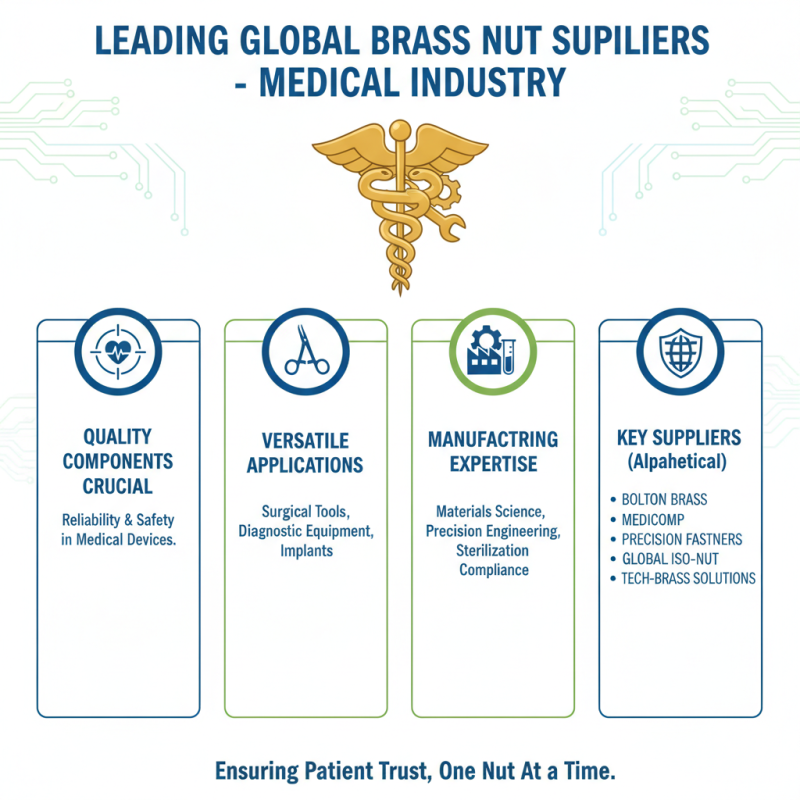
List of Leading Global Brass Nut Suppliers in the Medical Industry
When exploring the realm of medical devices, the importance of quality components cannot be overstated. Brass nuts play a vital role in ensuring the reliability and safety of various medical instruments. These small yet crucial elements are used in everything from surgical tools to diagnostic equipment. Each supplier in this sector must demonstrate expertise in materials and manufacturing processes.
Several leading brass nut suppliers offer diverse solutions to the medical industry. Their ability to adhere to strict quality controls is essential. These suppliers often work closely with engineers to design custom solutions. Understanding the specific requirements of medical applications is key. Each Medical device nut must withstand rigorous usage and meet safety standards.
However, finding the right supplier can be challenging. Buyers may encounter inconsistencies in quality or communication issues. Researching each potential supplier’s track record is crucial. It can prevent costly errors in production. There is always room for improvement in supply chains to enhance reliability. The commitment to quality should drive every brass nut supplier in this competitive market.
Factors Influencing Pricing and Quality of Brass Nuts for Medical Devices
When selecting brass nuts for medical devices, various factors impact their pricing and quality. Understanding these elements helps buyers make informed decisions. Material composition is crucial. High-purity brass often leads to better performance and longevity. However, this can increase costs. Balance is essential.
Manufacturing processes also play a significant role. Advanced machining ensures precision and reduces defects. This may raise prices compared to basic methods. Pay attention to the supplier’s quality assurance protocols. These practices can indicate the reliability of the
Medical Device Brass Component.
Tips: Always request material certifications. This can prevent future issues in device performance. Regularly assess your suppliers. Look for those who focus on continuous improvement. Their commitment reflects in product quality. Lastly, consider bulk purchasing options. This can lead to cost savings without compromising quality.
Regulatory Standards for Brass Nuts in Medical Device Manufacturing
When it comes to medical device manufacturing, the regulatory standards for brass nuts are crucial. Brass nuts must meet stringent criteria to ensure safety and efficacy. These standards vary by region, but they all emphasize biocompatibility, durability, and corrosion resistance. Manufacturers must perform thorough tests to verify that brass nuts can withstand harsh environments inside medical devices.
Designing brass nuts for medical applications poses challenges. For instance, the selection of materials is critical. They need to be non-toxic and hypoallergenic to prevent adverse reactions. Additionally, precision in machining is essential. Any defects can lead to device failures. These issues highlight the need for rigorous quality control processes at every stage of production. It is essential to reflect on these challenges while striving for compliance.
Moreover, staying updated on evolving regulations is vital. Standards are continuously changing, impacting how suppliers operate. Manufacturers might struggle with the implementation of new guidelines. Balancing compliance with innovation can be daunting. The industry must adapt or risk obsolescence. Continuous education and training are necessary to navigate these complexities effectively.
Future Trends in Brass Nut Supply for Medical Applications
The medical device industry is evolving rapidly, especially regarding the use of brass nuts. Brass nuts are critical components, ensuring secure and reliable connections in various medical devices. According to a recent market report, the global medical brass nut market is projected to grow at a CAGR of 6.5% over the next five years. This growth reflects increasing demand in sectors like surgical instruments and diagnostic imaging.
Future trends indicate a shift toward customization and advanced manufacturing techniques. Medical device manufacturers are seeking suppliers who can deliver precision-engineered components. Lean manufacturing principles are being adopted, focusing on reducing waste while improving product quality. However, challenges persist. Sourcing high-quality brass alloys can lead to supply chain disruptions. Additionally, the need for stringent regulatory compliance adds complexity.
Despite these challenges, innovation is crucial. The emphasis on sustainable practices influences material selection and production processes. Eco-friendly brass alloys are gaining attention, aligning with global sustainability goals. As the industry progresses, collaboration between suppliers and manufacturers will be key to navigating these changes efficiently.
Analyzing the Growth and Market Trends in the Medical Device Sector: A Focus on OEM SC-M2 Brass Nuts for Enhanced Durability and Performance
The medical device sector has seen significant growth, driven by innovation and an increasing demand for high-quality healthcare solutions. One critical component in this ongoing evolution is the use of brass nuts in the assembly of essential medical devices. These nuts, crafted from a durable, corrosion-resistant brass alloy, ensure that devices perform reliably, which is crucial for patient safety and device longevity.
Brass nuts are subject to strict manufacturing standards and precision engineering, as their quality directly impacts the effectiveness of medical equipment. Utilizing advanced CNC precision automatic lathe technology, manufacturers can achieve exceptional accuracy in the production of brass nuts. Reports indicate that the global medical device market is projected to reach approximately $600 billion by 2024, emphasizing the importance of durable components like brass nuts in maintaining the integrity of critically recognized devices.
As the industry evolves, there is a noticeable trend toward maximizing performance and durability in medical tools and devices. The integration of high-quality brass nuts not only enhances the operational effectiveness but also supports compliance with rigorous regulatory standards. As healthcare providers and manufacturers continue to focus on delivering high-quality care, the demand for reliable materials and components, such as brass nuts, is expected to rise sharply, making them indispensable in the medical device landscape.
FAQS
: Brass nuts offer corrosion resistance and mechanical strength, crucial for safety and reliability in medical devices.
These properties help reduce infection risks, thereby promoting patient safety and wellness in healthcare environments.
Quality control ensures compliance with healthcare standards. Variations can lead to potential issues in specific applications.
Suppliers must adapt to new technologies and regulations, which can complicate the sourcing of high-quality materials.
Tailored solutions lead to improved functionality, ensuring that each device meets specific operational requirements.
Inconsistencies in quality or communication can occur. Researching a supplier’s track record can prevent costly production errors.
The industry must innovate to keep up with modern medical applications and meet evolving standards effectively.
Suppliers must demonstrate expertise in materials and manufacturing, working closely with engineers to meet safety requirements.
Enhancements in communication, quality checks, and responsiveness can reduce inconsistencies and improve reliability.
Reliable components contribute to device longevity and patient safety, which are essential in healthcare settings.
Conclusion
The article provides a comprehensive overview of Medical Device Brass Nuts, highlighting their critical role in healthcare applications. It discusses the essential features and benefits of these components, including their durability, corrosion resistance, and ease of maintenance, which make them suitable for various medical devices. Additionally, the article outlines the criteria for selecting top suppliers of brass nuts in the medical sector, emphasizing the importance of quality, reliability, and compliance with regulatory standards.
Furthermore, the article lists leading global suppliers of brass nuts used in medical devices, examining the factors that influence pricing and quality in this niche market. It also delves into the regulatory landscape governing brass nut manufacturing and explores future trends that may shape the supply chain for medical applications. Overall, the piece serves as an invaluable resource for global buyers seeking to understand the significance of Medical Device Brass Nuts and make informed procurement decisions.