Picking out the right Automatic Transmission Parts can feel pretty overwhelming, right? It’s one of those things where experts always stress how important quality and compatibility are. I remember John Mitchell from AutoTech Solutions, a guy with tons of experience in automotive engineering, mentioning once that, ‘Choosing the right parts can really make or break your vehicle’s performance.’ It just shows how vital it is to make informed choices.
When you're diving into the world of Automatic Transmission Parts, it’s a good idea to keep an eye on brands and what other customers are saying. A solid, high-quality part can make your transmission last longer, but if you go for something cheaper or lower quality, you might end up dealing with costly repairs down the line. Plus, staying updated on the latest tech stuff in this field can really give you an edge. Sometimes, folks underestimate just how critical these parts are for their vehicle’s smooth operation.
Let’s be honest, mistakes happen. Plenty of drivers have been there—struggling with mismatched parts or bad choices. It’s always a good idea to learn from those experiences and maybe even chat with an expert before making a purchase. In the end, taking a bit more time to choose carefully really pays off and means you get your money’s worth.
Understanding Automatic Transmission Basics
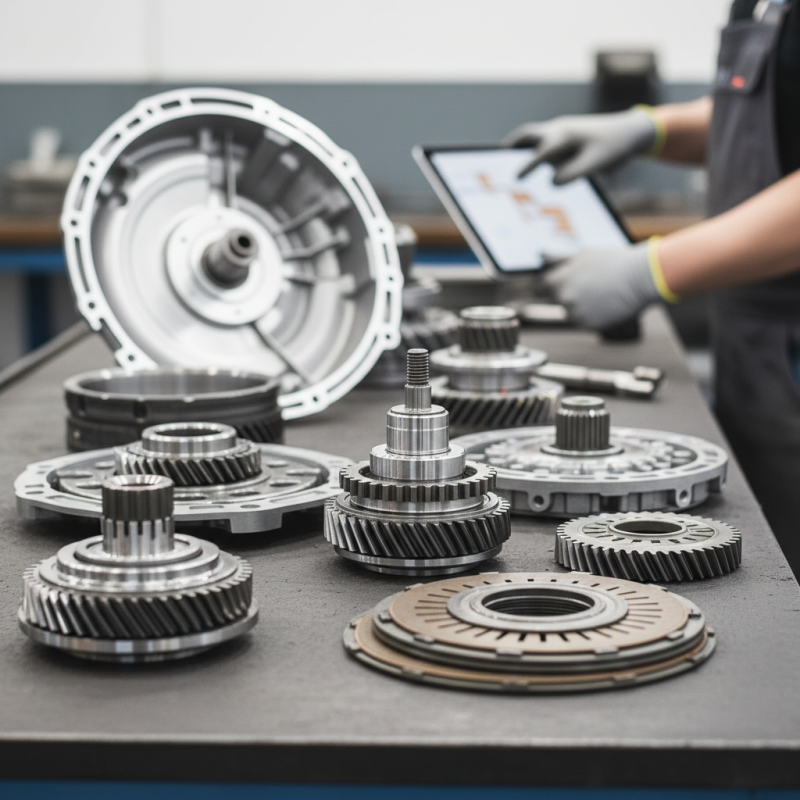
Understanding automatic transmission basics is crucial for anyone looking to maintain or repair their vehicle. Automatic transmissions are complex systems that allow for seamless gear changes without driver intervention. They rely on various components, such as the torque converter, valve body, and hydraulic system, to function properly. Each part plays a significant role in how your vehicle shifts and accelerates.
When selecting automatic transmission parts, understanding their function is essential. For instance, the torque converter transfers engine power to the transmission. A worn-out torque converter can lead to slippage and poor performance. Similarly, the valve body directs hydraulic fluid to different gears. If it is damaged, your car may experience erratic shifting. Assessing these parts requires knowledge and careful observation.
Some vehicle owners might overlook small details. For example, a dirty fluid filter can negatively impact transmission efficiency. Regular maintenance is often neglected, leading to bigger problems. Such oversights may arise from a lack of experience or understanding. Therefore, it's important to keep learning and reflect on your choices. This ensures your automatic transmission operates smoothly for years to come.
Key Functions of Various Automatic Transmission Parts
When selecting automatic transmission parts, understanding their key functions is crucial. Each component plays a specific role that contributes to smooth vehicle operation. For example, the
Spool Valve Automatic Transmission regulates fluid flow within the system. It directs hydraulic pressure to various areas, ensuring that shifts occur smoothly.
Another essential part is the torque converter. This component connects the engine to the transmission. It allows for a smooth transfer of power while also providing a fluid coupling between the two systems. Without a properly functioning torque converter, acceleration can feel jerky, which can be unsettling during driving.
Additionally, the transmission filter is vital for maintaining fluid cleanliness. A dirty filter can lead to inefficiencies and potential transmission damage. Regular checks and replacements can help avoid major issues. These components may seem straightforward, but their interconnectedness requires careful consideration when replacing parts. Choosing the right automatic transmission parts helps ensure reliability and longevity in vehicle performance.
Factors to Consider When Selecting Replacement Parts
When selecting automatic transmission parts, several key factors influence the decision-making process. Compatibility is paramount. Ensure that the parts align with your vehicle’s specifications. The Automotive Aftermarket Suppliers Association (AASA) reports that nearly 75% of transmission issues arise from incorrect part selections. This statistic underscores the importance of research and confirmation.
Quality of materials is another critical consideration. Look for parts made from durable and high-quality materials. Reports indicate that components manufactured with superior materials last up to 30% longer than those made from lower-quality alternatives. Additionally, recognizing that some aftermarket parts may not meet the original equipment manufacturer (OEM) standards is vital. Many consumers mistakenly believe all replacement parts are equivalent, which can lead to costly repairs.
Installation plays a significant role as well. Improper installation can negate the benefits of high-quality parts. Research shows that nearly 50% of transmission failures can be traced back to installation errors. Therefore, enlisting the help of a professional mechanic is often a wise investment. This ensures that replacements are correctly fitted and function according to manufacturer specifications. Always evaluate the experience level of your chosen installer.
Essential Tips for Choosing Automatic Transmission Parts
| Factor |
Description |
| Compatibility |
Ensure the part is compatible with your vehicle's make, model, and year. |
| Quality Standards |
Look for parts that meet industry quality standards or OEM specifications. |
| Warranty |
Choose parts that come with a warranty to guarantee their performance. |
| Cost |
Consider the price but ensure it reflects the quality and reliability of the part. |
| Reviews |
Research user reviews and ratings to assess the reliability and performance of the part. |
| Manufacturer Reputation |
Consider parts from manufacturers with a solid reputation in the industry. |
| Availability |
Check if parts are readily available to avoid long wait times for replacements. |
Quality vs. Cost: Finding the Right Balance
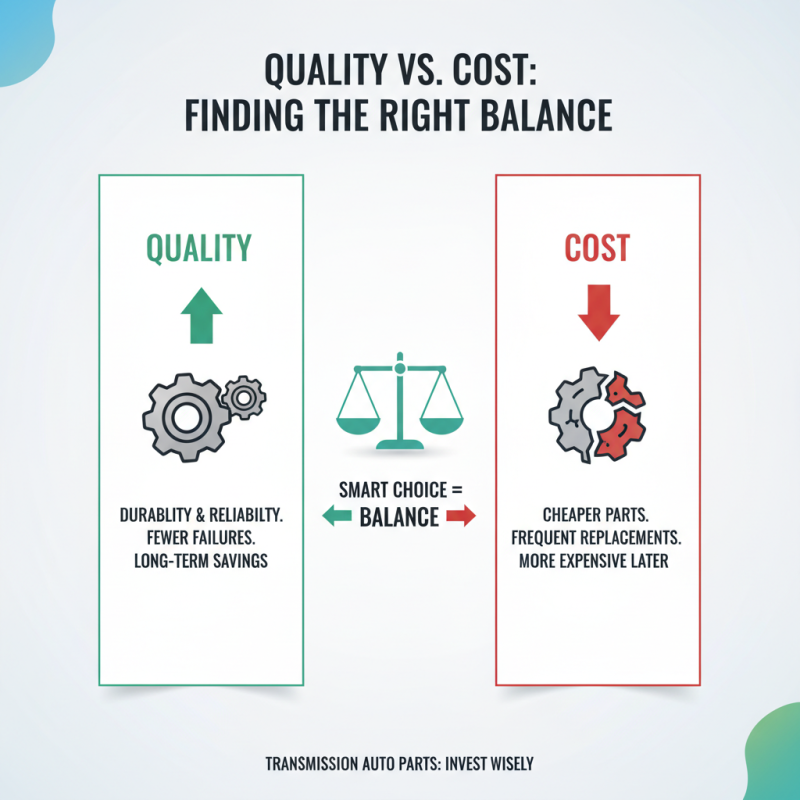
When it comes to choosing Transmission Auto Parts, balancing quality and cost is crucial. Many car owners focus solely on price, often overlooking quality. Cheap parts can lead to premature failures. You may save money initially, but it could cost more down the line. Consider the long-term implications of your choices.
Quality parts typically boast better performance and durability. They might come with warranties or guarantees, ensuring your investment is protected. However, it's essential to research which features truly enhance reliability. Some expensive options might not offer significant advantages over moderately priced alternatives. Reflection is necessary here, as the most recognizable options aren't always the best.
Seek parts from reputable sources. Look for user reviews and expert advice, which can guide you. Avoid brands with questionable standing, as these can compromise your vehicle’s performance. Keeping an eye on your budget is essential, but never sacrifice safety or efficiency. Trust your instincts and take your time.
Researching Reliable Brands and Suppliers
When choosing automatic transmission parts, reliability is crucial. Researching brands and suppliers is an essential step. A trustworthy supplier offers more than just parts; they provide assurance. Look for companies with a solid reputation and positive reviews. Engaging with forums can reveal valuable insights from other users.
Consider obtaining information on the manufacturer's history. This can indicate how long they have been in the industry. A long-standing presence often reflects quality and reliability. Check for certifications that demonstrate compliance with industry standards. These show a commitment to excellence, which is imperative for your vehicle.
Before making your purchase, compare prices and features. Don't rush; a hasty decision can lead to regret. It’s essential to weigh not just cost, but also longevity and performance. Take time to read customer testimonials. They can highlight potential issues. Reflect on your findings to ensure a well-informed choice.
Tips for Installation and Maintenance of Parts
When installing automatic transmission parts, attention to detail is crucial. Proper installation can significantly enhance performance and longevity. According to a study by the Society of Automotive Engineers (SAE), incorrect installation can lead to 30% higher failure rates within the first three years. This emphasizes the need for precision during the installation of components like the
Spool Valve Transmission.
Before beginning any installation, ensure you have the right tools. Investing in quality tools can make the difference between a smooth process and a frustrating experience. For instance, using torque wrenches ensures that parts are tightened to the manufacturer’s specifications, avoiding over-tightening or under-tightening. The failure to follow these specifications contributes to premature wear and potential leaks.
Maintaining transmission parts requires regular checks. Fluids should be changed according to the manufacturer’s recommendations, often between 30,000 to 60,000 miles. The American Transmission Rebuilders Association (ATRA) recommends these intervals to prevent contamination and overheating. A missed maintenance schedule can lead to costly repairs. The need for regular inspections blatantly addresses how even minor oversights can lead to major issues over time.
Common Mistakes to Avoid in Parts Selection
Choosing the right automatic transmission parts requires careful consideration. Many make common mistakes that can lead to costly repairs. One such error is overlooking compatibility. Every vehicle has unique specifications, and a part that fits one model may be unsuitable for another. Always cross-check the part numbers and specifications before making a purchase.
Another mistake is prioritizing price over quality. It’s tempting to select cheaper options, but this could compromise your vehicle’s performance. Low-quality parts, like a faulty Transmission Spool Valve, can lead to serious transmission issues down the line. Investing in well-reviewed and reliable options is wise.
Additionally, neglecting to consult experts can be detrimental. Many DIY enthusiasts may feel confident, yet their lack of experience can result in poor choices. Relying on knowledgeable professionals can eliminate uncertainties. They can help guide you in selecting the right components and prevent mistakes that could damage your vehicle. Think twice and research thoroughly; this can save you future headaches.
Conclusion
Choosing the right automatic transmission parts is crucial for maintaining the performance and longevity of your vehicle. Understanding the basics of automatic transmissions and the key functions of various parts can help you make informed decisions. When selecting replacement parts, consider factors such as compatibility, quality, and cost to strike the right balance for your needs.
Additionally, researching reliable brands and suppliers can ensure that you obtain durable components. Proper installation and regular maintenance are essential to prolonging the life of your automatic transmission parts. Be wary of common mistakes in parts selection, such as opting for the cheapest options without considering quality, as this can lead to further complications down the line. Making thoughtful choices in these areas will help keep your vehicle running smoothly.