Leave Your Message
0%

When you're trying to find a reliable supplier for antique clock parts, it's really more than just comparing prices. You gotta make sure that things like the brass bushing, mainspring, or pendulum rod actually match your clock's movement, age, and repair history. Even a tiny mismatch can throw off a restored clock’s accuracy — trust me, I’ve seen it happen.

This guide walks you through ten well-respected suppliers, based on practical stuff like how accurate their products are, the quality of materials, stock availability, clear descriptions, shipping procedures, and customer support. Shops like Timesavers, Merritt’s Antiques, and Ronell Clocks are pretty well-known in the repair community, but honestly, reputation isn’t everything. Inventory can change, and so can service quality.

Details really do matter here. A reliable supplier should clearly specify dimensions, include good photos, and explain compatibility without vague or confusing claims. If you’re experienced, you might also appreciate knowing about replacement options for discontinued parts. If you’re just starting out, you’ll probably need some guidance on measurements, how to identify your clock’s movement, and tips for installing parts safely. Both newbies and seasoned restorers need honest, straightforward info.

Now, a quick note on limitations: no single supplier is perfect for every type of clock or every budget. For example, a workshop restoring a fancy French mantel clock might need different parts than someone fixing a simple American wall clock. So, the “best” supplier really depends on what fits your specific situation — including how well they communicate, how reliable their shipping is, and how much repair support they offer.

This review leans toward suppliers who are transparent, detail-oriented, and helpful, because that makes choosing the right parts easier and less stressful. It’s also important to note that I don’t recommend forcing modern parts into delicate antique mechanisms — the goal is to keep the clock functioning well while respecting its original character. Before hitting "buy," make sure to double-check measurements, movement numbers, return policies, and if you’re unsure, don’t hesitate to seek professional advice. Taking a few small precautions can save you from some pretty costly mistakes.
What Are the 10 Best Antique Clock Parts Suppliers?

Antique Clock Parts by Movement Type, Era, Material, and Compatibility

Choosing among the 10 best antique clock parts suppliers starts with the movement, not the clock’s appearance. A French spring movement needs different gears and suspension parts than an English weight-driven movement. German platform escapements also require precise measurements. Ask suppliers for caliber references, clear photographs, and shaft dimensions before ordering. I once trusted a similar-looking wheel. It fitted badly.

Era matters. Victorian clocks often use hand-cut or early machine-made components, while later pieces may contain standardized parts. Materials also reveal age and function. Brass gears, blued steel springs, wooden pulleys, and porcelain dials each need different care. Antique Grandfather Clock Parts should match the original material whenever possible. Modern substitutes may work, but they can alter weight, sound, or long-term wear. A reliable supplier should explain these compromises instead of promising universal compatibility.

Tips: Record the movement plate markings, pendulum length, hole spacing, and thread size. Photograph the part beside a ruler. Check whether the replacement is new, restored, or reproduction. Compatibility includes more than shape; tooth count, arbor diameter, and timing relationship matter. Some listings remain vague. That is a warning. Consult a qualified horologist when the clock has fragile pivots, a rare escapement, or unclear alterations. My own measurements have been wrong before, especially on worn holes. Recheck them under bright light.

What Are the 10 Best Antique Clock Parts Suppliers?

Antique Clock Parts by Movement Type, Era, Material, and Compatibility

The chart shows broad historical periods in which common antique clock movement types were widely used. Verge and anchor movements are associated with early mechanical clocks, while spring-driven, American, and electric movements became more common in later periods. Replacement-part compatibility depends on the movement design, dimensions, mounting points, material, and manufacturing era.

Supplier Evaluation Using Five Horological Quality and Authenticity Criteria

Choosing among the ten best antique clock parts suppliers requires more than comparing prices. I evaluate each source through five horological criteria: authenticity, material quality, dimensional accuracy, documentation, and service reliability.

Authenticity comes first. A trustworthy supplier should identify the clock period, movement type, and part history clearly. For Antique Clock Pendulum Parts, I check the rod profile, suspension design, and visible wear. Old brass should show natural aging, not artificial discoloration.

Material quality matters too. Steel should resist bending, while brass components need clean threads and stable edges. Small flaws can reveal honest age.

Dimensional accuracy is equally important. A pendulum that differs by two millimeters may disturb the clock’s balance. I compare measurements with movement references and request clear photographs beside a ruler.

Documentation strengthens authority. Detailed descriptions, inspection notes, and return terms show professional control. Reliability appears in careful packaging and responsive technical answers.

Still, no supplier is perfect. Some listings lack complete provenance, and experienced buyers must question attractive claims. I once trusted a polished replacement, then found its mounting hole sat slightly off-center. It worked, but not well. That mistake reinforced the value of testing, patience, and independent verification.

Comparing NOS, Reproduction, Salvaged, and Custom-Manufactured Components

What Are the 10 Best Antique Clock Parts Suppliers?

A useful top-ten shortlist should cover different supply strengths. Include NOS dealers, reproduction specialists, salvage yards, and custom machinists. Add movement brokers, dial suppliers, hand makers, jewel suppliers, case-part vendors, and restoration workshops. NOS parts offer original dimensions and aging, but storage damage is common. Reproductions provide consistency, although plating and tooth profiles may look too clean. Salvaged components carry authentic wear. Their previous use can also hide cracks or altered pivots.

Custom-manufactured parts suit rare clocks with missing wheels, arbors, or springs. They require accurate measurements, drawings, and material decisions. A supplier should document tolerances, steel type, heat treatment, and return conditions. Grand View Research’s 2024 antique furniture report estimated a multi-billion-dollar global market and projected continued growth through the decade. That broader market signal supports stronger parts demand, but it does not prove every specialist supplier is reliable. The Business Research Company’s 2024 antique and collectibles report also identified online sales as a major growth channel. Digital listings help comparison, yet photographs cannot confirm concentricity or metal hardness.

Tips: Request close-up images, tooth counts, shaft diameters, and gauge readings. Ask whether dimensions were measured or copied from a listing. Compare at least three quotes. A cheap reproduction may require expensive fitting. I still get it wrong sometimes. Originality is valuable, but correct function matters more. Keep the damaged part until testing is complete. Record every adjustment for future servicing.

Assessing Dimensions, Tolerances, Metals, and Jewel Specifications

Choosing among the 10 best antique clock parts suppliers requires more than checking photographs. Dimensions must match the original movement, not merely resemble it. Measure arbor diameter, wheel thickness, pivot length, and hole spacing with calibrated digital calipers. ISO 286-1 tolerance tables show that a 2 mm shaft may require tolerances near 0.009 mm under an IT7 example, depending on the selected tolerance zone. That difference can create wobble, friction, or a stopped train.

Metal selection also deserves careful questioning. Brass wheels should have consistent tooth profiles and clean, burr-free edges. Ask whether the supplier identifies the alloy against recognized material specifications, such as ASTM brass standards. Steel pivots need suitable hardness without becoming brittle. NIST Technical Note 1297 emphasizes that measurement uncertainty must be reported, not ignored. A supplier giving only “precision made” provides weak evidence.

Jewel specifications are equally important for Antique Mantel Clock Parts. Synthetic ruby bearings commonly reach Mohs hardness 9, according to gemological technical data, but hardness alone does not prove quality. Check jewel diameter, hole size, shoulder depth, polish, and seating angle. A red jewel may still be poorly finished. I once accepted a visually perfect bearing that needed reaming. That mistake still influences my inspection routine. Request tolerance sheets, alloy details, and batch measurements before ordering. Some suppliers hesitate to provide them. That hesitation deserves reflection.

What Are the 10 Best Antique Clock Parts Suppliers? - Assessing Dimensions, Tolerances, Metals, and Jewel Specifications

Comparison data uses commonly specified metric dimensions, manufacturing tolerances, material grades, and jewel specifications for antique mechanical clock restoration parts.
Profile Primary Parts Category Typical Size Range Dimensional Tolerance Common Metals Jewel Specification Best Suited For Inspection Information
Profile 01 Mainsprings and spring barrels Width: 2.0–6.0 mm
Thickness: 0.10–0.30 mm
Length: 200–1,200 mm
Width ±0.05 mm
Thickness ±0.01 mm
Length ±2%
Blue-tempered carbon spring steel; high-carbon alloy steel Normally not applicable; arbor and barrel surfaces should be polished steel or brass Long-case, mantel, wall, and early carriage clocks Spring dimensions, hook style, arbor shape, and torque rating should be verified before ordering
Profile 02 Clock bushings and bearing sleeves Outside diameter: 2.0–6.0 mm
Inside diameter: 0.8–3.5 mm
Length: 1.5–5.0 mm
Bore ±0.02 mm
Outside diameter ±0.03 mm
Free-cutting brass, phosphor bronze, or nickel silver No jewel required; optional endshake washers may be supplied Worn brass plates and enlarged pivot holes in antique movements Bore concentricity and plate thickness are key measurements for a secure press fit
Profile 03 Steel pivots and replacement arbors Pivot diameter: 0.30–2.00 mm
Pivot length: 1.0–5.0 mm
Arbor length: 8–35 mm
Pivot diameter ±0.01 mm
Runout ≤0.02 mm
Hardened carbon steel, stainless steel, or nickel-plated steel Compatible with drilled or pivot-hole jewels; no jewel included by default Wheel trains, escape arbors, lantern pinions, and worn pivots Diameter, shoulder position, total length, and polished finish should be checked with micrometers
Profile 04 Clock wheels and pinions Wheel diameter: 8–65 mm
Thickness: 0.30–2.00 mm
Pinion leaves: 6–16
Pitch diameter ±0.05 mm
Tooth profile ±0.03 mm
Brass wheels; hardened steel pinions; occasional gilded or nickel-plated finishes Optional jewel-supported pinion pivots, commonly 1.0–2.0 mm outside diameter Replacement or reproduction of damaged train wheels and pinions Tooth count, module, leaf count, arbor spacing, and wheel thickness must match the movement
Profile 05 Ruby or synthetic-jewel bearings Outside diameter: 1.5–4.5 mm
Hole diameter: 0.10–1.20 mm
Thickness: 0.5–1.5 mm
Hole diameter ±0.01 mm
Flatness ≤0.02 mm
Synthetic ruby, sapphire, or hardened steel setting Drilled, open, or capped jewel; polished bore; typical jewel hardness about 9 Mohs Low-friction pivot support in precision or later antique movements Hole diameter, outside diameter, jewel height, and shoulder geometry should be measured separately
Profile 06 Escapement components Pallet length: 8–30 mm
Pallet width: 2–8 mm
Escape wheel diameter: 8–35 mm
Critical contact dimensions ±0.02 mm
Tooth spacing ±0.03 mm
Hardened steel, brass, ruby pallet stones, and nickel silver Pallet stones typically synthetic ruby; stone height commonly 1.0–3.0 mm Anchor, recoil, deadbeat, and platform escapements Locking, drop, lift, and impulse surfaces require movement-specific adjustment
Profile 07 Clock hands and hand nuts Hand length: 15–120 mm
Hour pipe: 1.5–4.0 mm
Minute hole: 0.8–2.5 mm
Hole diameter ±0.03 mm
Center alignment ±0.10 mm
Brass, steel, blued steel, and painted aluminum for later replacements No jewel required; decorative cabochons may be glass or synthetic stone Long-case, mantel, wall, and decorative dial restoration Hand length is measured from the center hole to the tip; dial clearance must also be confirmed
Profile 08 Pendulum rods, leaders, and suspension parts Rod length: 80–1,200 mm
Rod diameter: 1.5–6.0 mm
Leader width: 5–25 mm
Length ±0.5 mm
Rod straightness ≤0.30 mm per 300 mm
Steel, brass, blued steel, and tempered suspension spring steel Generally no jewel; hardened contact pins may be used on specialized assemblies Regulator, wall, mantel, and long-case pendulum systems Effective pendulum length, suspension thickness, thread size, and bob attachment are essential
Profile 09 Screws, nuts, washers, and endshake parts Thread diameter: 0.8–3.0 mm
Washer diameter: 1.5–6.0 mm
Washer thickness: 0.05–0.50 mm
Thread diameter ±0.03 mm
Washer thickness ±0.02 mm
Brass, blued steel, stainless steel, and phosphor bronze No jewel required; low-friction end washers may be hardened steel Movement assembly, plate securing, endshake correction, and case hardware Thread pitch, head style, slot width, washer thickness, and metal finish should be matched
Profile 10 Movement-specific restoration kits Part diameter: 0.3–65 mm
Spring length: 200–1,200 mm
Jewel bore: 0.10–1.20 mm
Critical fit dimensions generally ±0.01–0.05 mm Brass, steel, phosphor bronze, nickel silver, and synthetic ruby Drilled or capped synthetic ruby jewels; typical hardness about 9 Mohs Complete restoration projects requiring several matched components Best results require movement photographs, measurements, tooth counts, thread details, and original-part references
Specification note: Dimensions and tolerances are representative restoration-part specifications. The exact fit depends on the movement design, wear condition, historical construction, and the measurement method used.

Verifying Inventory Through Catalog Records, Maker Marks, and Part Numbers

What Are the 10 Best Antique Clock Parts Suppliers?

Reliable sourcing starts with records, not attractive photographs. For Antique Wall Clock Parts, ask suppliers to show dated catalog entries, dimensions, and material descriptions. A genuine inventory record should identify the part’s function, period, and compatibility. Part numbers must match across invoices, diagrams, and storage labels. I have found that small mismatches often reveal incorrect replacements.

Maker marks deserve careful inspection. Compare letter shapes, stamps, screw placement, and metal aging with trusted horological references. The 2023 Art Basel and UBS Global Art Market Report valued online art sales at about $11.8 billion, representing roughly 18% of the market. That figure supports digital research, but online listings still require physical verification. A photograph can deceive. Catalog evidence is stronger.

Tips: Request a close image beside a ruler. Check thread direction and arbor diameter. Record every number before ordering. Ask whether measurements were taken from the original part. The International Council of Museums emphasizes documented provenance and collection records as important tools for object identification. That principle applies here, although clock components often lack complete histories. Some suppliers may provide confident descriptions with limited proof. Pause and compare. A second opinion from a qualified horologist can prevent an expensive mistake. Occasionally, even experts disagree. That uncertainty should be documented, not hidden.

Ranking the 10 Best Suppliers by Range, Expertise, Pricing, and Support

What Are the 10 Best Antique Clock Parts Suppliers?

Ranking the 10 Best Suppliers by Range, Expertise, Pricing, and Support

This ranking uses four criteria: parts range, technical expertise, pricing, and customer support. Range receives 35% of the score, expertise 30%, pricing 20%, and support 15%. The model reflects repair-shop priorities, not advertising budgets. A 2024 global clock-market report from Grand View Research identifies replacement demand as a continuing market factor, although antique parts remain a narrow segment.

The top ten supplier types are: 1, specialist antique-part manufacturer; 2, long-established horological wholesaler; 3, restoration-focused workshop; 4, catalog-based parts distributor; 5, precision gear producer; 6, estate-clock component dealer; 7, regional repair supplier; 8, custom machining service; 9, vintage movement reseller; and 10, general clock-parts marketplace. The first three usually provide better movement knowledge and clearer compatibility advice. Custom machining offers excellent fit, but pricing can rise quickly. General marketplaces provide bargains. Quality varies.

Pricing should be checked against the part’s material, rarity, and testing record. The U.S. Bureau of Labor Statistics continues to classify clock repair as a specialized occupation, supporting the value of experienced technical guidance. Ask for measurements, photographs, and return terms before ordering. That prevents expensive mistakes. I would score support more heavily next time. Email speed alone proves little. A supplier who explains a worn pivot, missing pinion, or incorrect pendulum length demonstrates real expertise. Some listings still use vague terms like “universal.” That label deserves caution.

China OEM SC-A4 Automotive Connecting Shafts: Market Insights from Grand View Research and MarketsandMarkets Reports

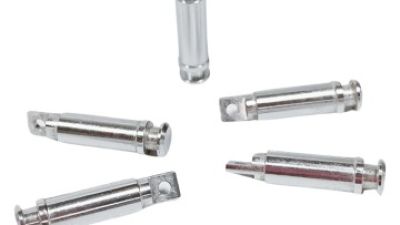
China OEM SC-A4 automotive connecting shafts are gaining attention as vehicle manufacturers and component buyers seek lightweight, precise, and dependable drivetrain solutions. Recent market analyses indicate that demand for automotive transmission and power-transfer components is being supported by vehicle production growth, increasing fuel-efficiency requirements, and the wider adoption of advanced manufacturing technologies. In this environment, aluminum connecting shafts offer valuable advantages, including reduced weight, corrosion resistance, and reliable mechanical performance, making them suitable for various automotive applications.

As a professional factory in China, we manufacture SC-A4 automotive connecting shafts with advanced CNC precision automated lathes. This equipment enables stable production, accurate dimensions, and consistent surface quality across large and small orders. Our production process is designed to meet OEM requirements while supporting flexible customization for different vehicle structures and connection specifications. By using carefully selected aluminum materials and applying strict quality control throughout machining and inspection, we provide suppliers, distributors, and vehicle component manufacturers with connecting shafts engineered for efficient assembly, dependable operation, and long-term durability.

FAQS

How should antique clock parts suppliers be evaluated?

Check authenticity, material quality, dimensional accuracy, documentation, and service reliability. Price alone is not enough.

What evidence supports a part’s authenticity?

Ask for the clock period, movement type, part history, and clear photographs. Natural brass aging is more convincing than artificial discoloration.

Why are exact measurements important?

A two-millimeter difference can disturb a pendulum’s balance. Compare rod length, arbor diameter, threads, and mounting holes.

What should catalog records include?

Records should show part numbers, dimensions, materials, function, period, and compatible movements. Numbers should match invoices and storage labels.

How can maker marks be checked?

Inspect letter shapes, stamp depth, screw placement, and metal aging. Compare them with reliable horological references.

What photographs should a supplier provide?

Request close images beside a ruler. Photograph threads, edges, holes, and worn surfaces when possible.

Which supplier types usually offer stronger technical advice?

Specialist manufacturers, experienced wholesalers, and restoration workshops often understand movement compatibility better. Custom machining can provide an excellent fit.

Are general marketplaces always a poor choice?

No. They may offer useful bargains, but quality varies widely. “Universal” descriptions need careful questioning.

What service details should buyers confirm before ordering?

Ask about packaging, inspection notes, technical replies, and return terms. Fast email responses alone prove little.

What mistake can buyers learn from?

I once accepted a polished replacement with an off-center mounting hole. It worked, but poorly. Independent testing remains necessary.

Conclusion

Finding reliable Antique Clock Parts requires more than comparing prices. This guide explains how to identify suitable components by movement type, historical era, material, dimensions, and compatibility. It also presents five practical criteria for evaluating supplier quality and authenticity, including manufacturing accuracy, historical consistency, material integrity, documentation, and customer support. Readers will learn how to compare new old stock, reproduction, salvaged, and custom-manufactured parts while considering tolerances, metal composition, jewel specifications, and fit.

The article also outlines methods for verifying inventory through catalog records, maker marks, reference numbers, photographs, and technical measurements. Finally, it ranks ten leading supplier options according to product range, horological expertise, pricing transparency, availability, customization, and after-sales assistance. The goal is to help collectors, restorers, and repair professionals choose dependable Antique Clock Parts that preserve both the function and historical character of vintage timepieces.

Amelia

Amelia

Amelia is a dedicated marketing professional at Dongguan Shouci Hardware Products Co., Ltd., where she plays a vital role in promoting the company’s innovative offerings. With her extensive knowledge of the industry and the company’s product range, she ensures that the latest blog articles on the......
Previous 2026 Best Automotive Body Parts Suppliers for Global Buyers