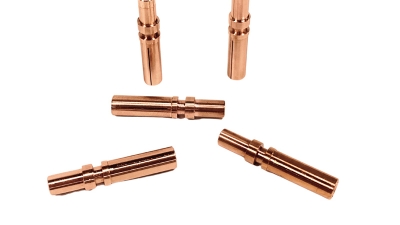
These days, with how quickly the industrial world’s changing, there’s never been a bigger need for top-notch components, especially in areas like automotive, electronics, and medical fields. If you’ve seen the latest industry reports, you’ll notice that the global market for specialized hardware parts is expected to hit around USD 200 billion by 2026—that really shows how important precision engineering is for keeping things running smoothly.
 Red Copper Parts, which are known for their awesome electrical conductivity and great thermal performance, are becoming pretty much essential in a bunch of high-tech industries. Our company, Dongguan Shouci Hardware Products Co., Ltd., was recognized as a Specialized and Sophisticated SME in 2024, and we’re right there on the cutting edge of this innovation. We specialize in making high-precision Red Copper Parts, and our goal is to create custom solutions that really fit the needs of our clients, whether they’re in automotive, electronics, robotics, or other sectors. We’re all about helping them achieve top performance and reliability in their products.
Innovative Alternatives for Red Copper Material in Industrial Settings
When you're dealing with industrial applications, choosing the right materials really can make a big difference in both efficiency and sustainability.
Red copper has been a go-to for a long time because of its great conductivity and flexibility—it's pretty much a staple in many industries.
But lately, more and more folks are looking into innovative alternatives that can be tailored to specific needs without sacrificing performance.
For example, copper-nickel alloys or advanced copper composites are gaining popularity because they resist corrosion and wear better, especially in tougher environments.
Here's a little tip: when you're trying to pick a substitute for red copper, think about the environmental conditions your setup will face.
If corrosion is a big concern, you’ll want to look for alloys with added nickel or even special coatings that can help your components last longer.
Adding these newer materials isn't just about reliability; it can also save you money on maintenance in the long run.
Industries are catching on and exploring ways to incorporate these alternatives, especially now that manufacturing techniques and material science have advanced so much.
By doing this, companies can not only boost efficiency but also cut down on the environmental impact that traditional red copper might have.
And here’s a tip: it’s a smart move to run side-by-side tests comparing how these new materials perform versus standard red copper.
That way, you can figure out which one truly fits your specific needs and ensures the best results.
Evaluating Performance: Comparing Red Copper with Other Metal Options
When it comes to industrial stuff, picking the right material really matters if you wanna get the best performance and make sure everything lasts. Red copper, with its awesome heat and electrical conductivity, definitely stands out compared to other metals. Its special properties make it a go-to choice for things like electrical wiring and heat exchangers. But, you might wonder, how does red copper compare to metals like aluminum or brass?
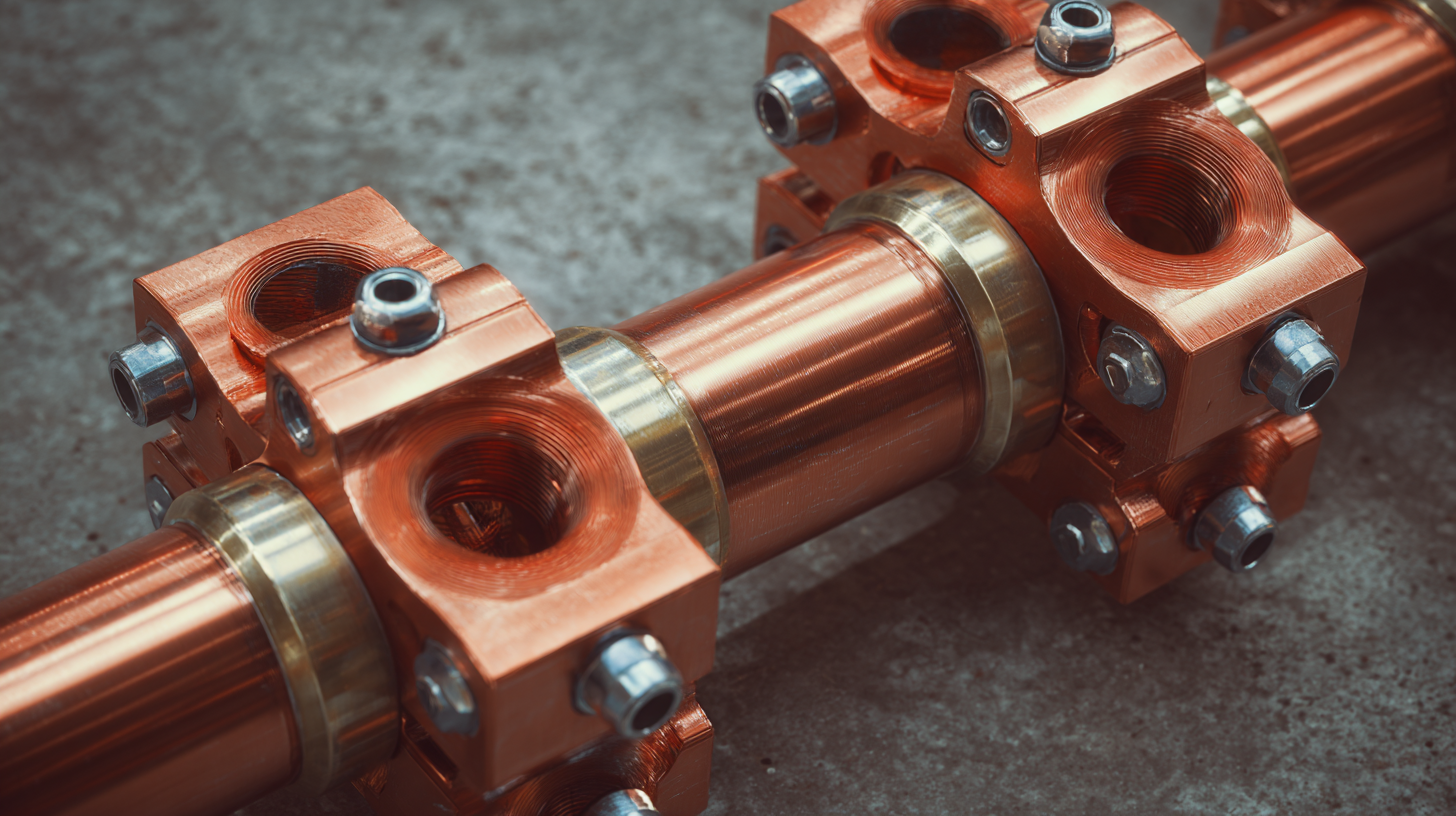
In head-to-head comparisons, red copper generally beats aluminum when it comes to conductivity and resistance to corrosion. That said, it's often heavier and tends to cost more. As for brass, it’s pretty good at resisting corrosion and is easier to work with when machining, but it doesn’t match the high conductivity levels of red copper. So, figuring out what your specific needs are is super important. If you need top-notch conductivity, especially in high-temperature settings, going with red copper might give you better results. At the end of the day, choosing the right metal is all about understanding the material’s properties and matching them to what your project actually needs.
Cost-Effectiveness Analysis of Red Copper vs. Alternative Materials
When it comes to industrial applications, choosing the right materials can really make a difference in both performance and cost. Red copper has been gaining attention as a pretty solid option—especially when you compare it to other materials like aluminum and brass. According to a report from the International Copper Association, red copper actually conducts electricity about 59% better than aluminum. That’s a big deal, especially for electrical stuff because it means your products can be more energy-efficient, which could save some serious money in the long run.
Here at Dongguan Shouci Hardware Products Co., Ltd., we’re proud to be recognized as a Specialized and Sophisticated SME in 2024. We totally get how crucial the right materials are, especially when making high-precision hardware for different sectors like automotive, electronics, and medical industries. Sure, investing in red copper parts might cost a bit more upfront, but honestly, their durability and better performance often mean less maintenance and fewer replacements down the line. Plus, recent industry reports highlight that red copper components tend to last longer even in tough environments—that’s a huge plus and helps justify the initial cost. By going with red copper solutions, manufacturers can not only keep their operations running smoothly but also do their part for sustainable business practices. It’s a win-win, really.
Sustainability in Red Copper Applications: Eco-Friendly Choices
You know, sustainability in industrial stuff is really becoming a big deal these days. Using red copper parts is a pretty cool way to go eco-friendly and support green efforts. Honestly, red copper isn’t just super conductive and durable, but it's also recyclable—making it a smart choice for industries looking to cut down their environmental footprint. When companies pick red copper components, they’re actually helping out with a circular economy, where materials get reused and repurposed instead of just thrown away.
If you’re thinking about using red copper in your projects, here are a few tips to make everything more sustainable. First off, try to buy from suppliers who practice responsible mining and production—this helps keep environmental damage in check. Next, setting up good waste management for scrap copper can be a game changer; recycling it can save money and resources. And don’t forget to think about the entire product’s life—design it to last longer so you don’t need to replace it constantly. That way, you’re not just being eco-friendly but also making smarter, longer-lasting products.
By adopting these habits, industries can enjoy the benefits of red copper while also pushing toward sustainability goals. Plus, making eco-conscious choices isn’t just good for the planet—it also helps boost your brand image in today’s market, where folks really care about that sort of stuff.
Custom Solutions: Tailoring Red Copper Uses for Specific Industries
Lately, using customized red copper solutions has really changed the game in lots of industries, especially in the food and beverage world. As more companies look for innovative materials, making red copper parts tailored to specific needs has become super important. This trend lets businesses improve their production processes, boosting efficiency and safety at the same time. Red copper's special qualities, like great thermal conductivity and antimicrobial properties, make it a go-to choice for many applications in these fields.
On top of that, newer breakthroughs in material science—like creating copper-based hydrogels through electrodeposition—are opening up exciting new possibilities. These custom-made alginate and chitosan hydrogels don’t just offer structural control; they also step up performance across various uses. By adopting these personalized solutions, companies can tackle specific challenges in food and beverage — whether that’s improving packaging or refining processing methods. Overall, shifting towards tailored applications really highlights how ongoing innovation is key to staying competitive and meeting the changing demands of consumers.
Industrial Applications of Red Copper Parts
This chart illustrates the essential properties of red copper that enhance its applications across various industries. The measured values indicate the effectiveness of red copper in electrical and thermal conductivity, along with its malleability and ductility, making it a preferred material in electrical engineering, construction, and manufacturing.
Future Trends: Emerging Technologies in Red Copper Alternatives
Hey, you know, as industries keep evolving, there's never been a bigger demand for really high-performance materials. New technologies in alternatives to red copper are popping up and could totally change the game across various industries. I read this recent report from Mordor Intelligence—it says the global copper market is expected to grow by about 4.25% between 2021 and 2026. That’s mainly because of advancements in electronics and renewable energy stuff. Basically, it shows how there's a real rush for innovative copper substitutes that can keep up with modern manufacturing needs, all while cutting costs and boosting efficiency.
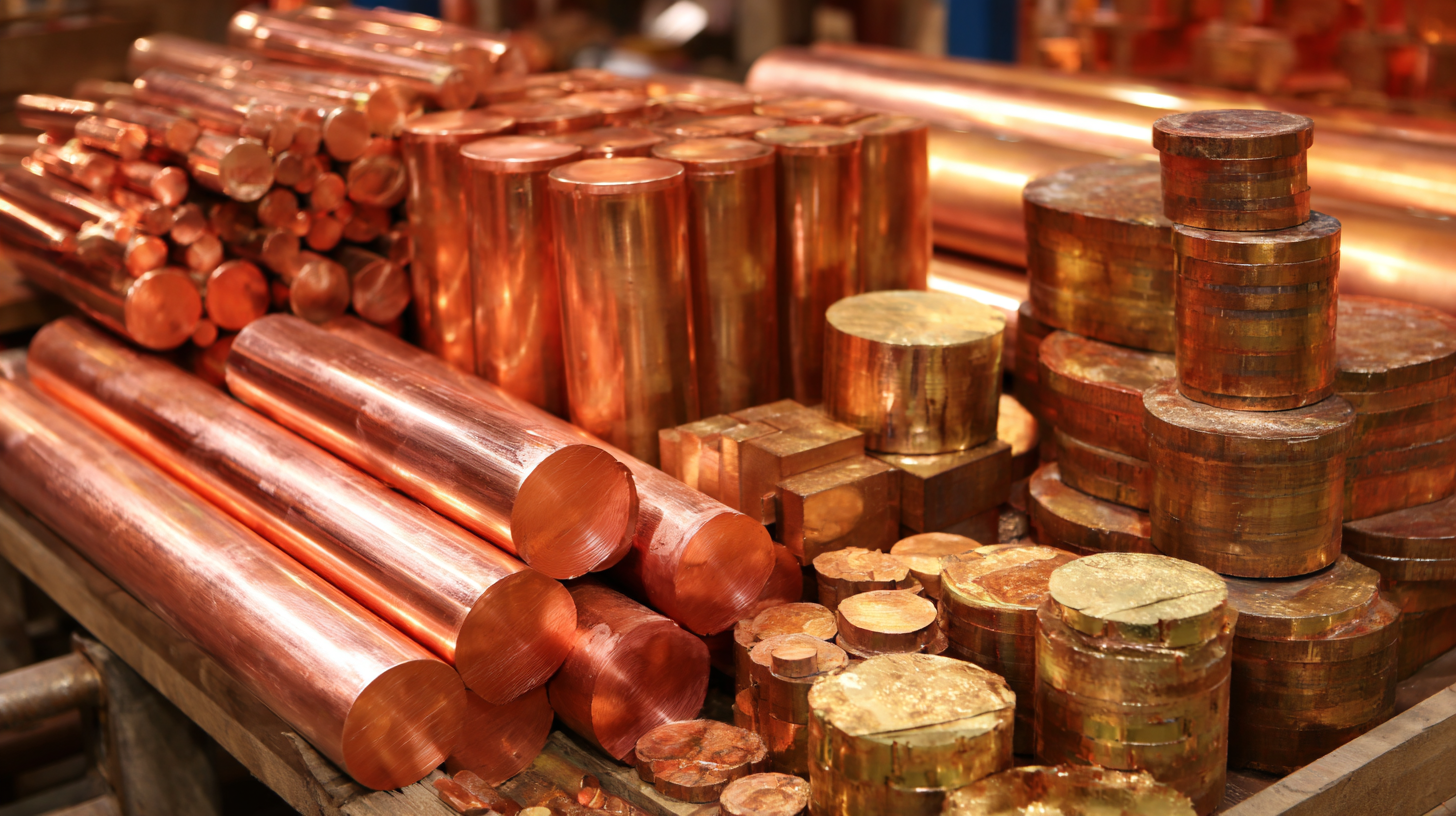
At Dongguan Shouci Hardware Products Co., Ltd., we’re right there with the trends. Our focus is on precision-engineered hardware parts, and we’re constantly working to incorporate new materials and techniques. The goal? To make components that not only conduct electricity really well but also last longer. With the rise of smart wearables and the aviation industry, there’s even more need for lightweight, efficient materials that can perform well and meet tough industry standards. Being recognized as a Specialized and Sophisticated SME in 2024 really validates our commitment—showing we’re serious about pushing the envelope and creating the latest solutions for these fast-moving industries.
Enhancing Vehicle Performance: Insights from Industry Reports on the Benefits of OEM SC-A10 Automotive Radiator Red Copper Parts
In the ever-evolving landscape of the automotive industry, enhancing vehicle performance hinges significantly on the quality of its components. One of the key players in this realm is the OEM SC-A10 automotive radiator, particularly the precision-crafted red copper parts that form its core. These parts serve as the essential valves and channels within the radiator, promoting the efficient circulation of coolant. This process plays a vital role in maintaining optimal engine temperature, ensuring that vehicles operate smoothly and efficiently.
The significance of precision in red copper components cannot be overstated. Even minor deviations in their design can lead to significant consequences, such as disrupted coolant flow, which may result in overheating and reduced fuel efficiency. In a market that demands increasingly advanced vehicles capable of handling extreme conditions, the pressure for manufacturers to produce high-quality, precise metal parts has never been greater. OEM SC-A10's use of red copper not only supports these demands but also offers durability and resilience in complex mechanical interactions, making it a critical choice for performance-driven automotive applications.
FAQS
: Red copper is preferred for its excellent thermal and electrical conductivity, making it ideal for applications like electrical wiring and heat exchangers.
Red copper outperforms aluminum in terms of conductivity and corrosion resistance, but it is heavier and more expensive.
Brass shares similar corrosion resistance with red copper and offers improved machinability, but it does not achieve the same high conductivity levels.
While the initial investment in red copper may be higher, its durability and enhanced performance can lead to lower maintenance and replacement costs over time.
Red copper's superior conductivity, approximately 59% more than aluminum, can improve energy efficiency in electrical applications, which may lower long-term operational costs.
Customization of red copper components helps address specific industry needs, enhancing production processes and ensuring higher efficiency and safety standards.
Recent advancements include the development of copper-based hydrogels, which enhance performance in various applications while maintaining structural control.
Tailored red copper solutions have significantly transformed applications in the food and beverage sectors, improving packaging innovations and processing techniques.
Understanding material characteristics is crucial to match the demands of industrial needs, ensuring optimal performance, especially in high-temperature environments.
Red copper components often exceed the longevity of alternative materials in rigorous environments, justifying their higher initial costs with long-term benefits.
Conclusion
When it comes to improving industrial applications, red copper parts really stand out because of their unique qualities. In this blog, we’re digging into some pretty cool alternatives to the traditional red copper material. We’ll compare how these options perform against other metals and break down the costs to see what’s truly worth it. With more companies focusing on sustainability these days, we’ll also explore eco-friendly choices for red copper, helping businesses make smarter, more responsible decisions when picking their materials.
On top of that, we’ll talk about the possibility of custom solutions designed to fit specific industry needs. This reflects the versatile capabilities of Dongguan Shouci Hardware Products Co., Ltd., which is known for top-notch, high-precision hardware manufacturing. And of course, we’ll take a peek at the future—what new trends and emerging technologies might shape the way we think about red copper alternatives, giving businesses a better shot at staying competitive in a tough market.