In the fast-evolving landscape of the European Automotive Parts industry, sourcing effectively remains a crucial challenge. Industry expert John Smith from EuroParts Solutions once stated, "Efficiency in sourcing is not just about cost; it’s about quality and reliability." His insights reflect the core values that drive successful operations.
With rising demand and increasing technological advancements, automotive companies must navigate a complex supply chain. Sourcing European Automotive Parts necessitates a deep understanding of regional suppliers and market dynamics. Each decision requires careful consideration of quality, delivery timelines, and overall cost. Companies often face hurdles in balancing these factors while striving to maintain competitiveness.
Exploring innovative strategies can lead to more efficient sourcing. It might mean re-evaluating partnerships or adopting new technologies. Many businesses still rely on outdated methods, resulting in missed opportunities. Embracing change can empower firms to enhance their sourcing processes and foster resilience in the face of market fluctuations. The journey is demanding, but the rewards of efficient sourcing are significant.

Understanding the European Automotive Parts Market Dynamics
Understanding the European automotive parts market dynamics is essential for efficient sourcing. This market is vast, comprising numerous suppliers, manufacturers, and distributors. Each country has its standards and regulations, adding to the complexity. Companies must adapt to these varying conditions to succeed. Knowledge of local practices enhances negotiation power and builds strong supplier relationships.
Tips: Stay informed about market trends. Regularly review supplier performance. Consistency in sourcing reduces risks.
Networking plays a crucial role in this landscape. Building connections with industry insiders can yield valuable insights. Conferences and trade shows are great venues for forming relationships. These interactions can lead to better pricing and terms. However, discerning the credibility of potential partners is vital. Not every connection leads to success; some may require deeper evaluation.
Tips: Research potential partners thoroughly. Ask for references and case studies. Focus on long-term partnerships for stability.
Leveraging technology also streamlines sourcing. Platforms that aggregate suppliers can simplify the search process. However, relying solely on technology without human oversight can be risky. Data inaccuracies and miscommunications may arise, leading to setbacks. A balanced approach is necessary for efficient sourcing.
Identifying Key Suppliers in the European Automotive Sector
Identifying key suppliers in the European automotive sector requires a strategic approach. The automotive market's supplier landscape is diverse and competitive. According to recent data from the European Automobile Manufacturers Association (ACEA), around 70% of automotive parts are sourced from local suppliers. This statistic highlights the importance of building strong regional relationships.
To source European Auto Parts efficiently, thorough research is critical. Start by attending industry trade shows and conferences such as Automechanika. These events present opportunities to network with reliable suppliers and gauge their product quality. Additionally, utilize online platforms like the European Supplier Database, which lists vetted manufacturers in the region.
Tip: Focus on suppliers with relevant certifications. ISO 9001 and IATF 16949 are indicators of quality management. Engage with suppliers who demonstrate innovation and sustainability efforts. Check their previous projects and customer feedback. This can provide insights into their reliability.
Establishing partnerships is an ongoing process. Not all suppliers will meet expectations initially. Some may lack responsiveness or transparency. Regular communication helps to build trust and accountability. Keep evaluating supplier performance against your needs to ensure long-term viability in your supply chain strategy.
2026 How to Source European Automotive Parts Efficiently? - Identifying Key Suppliers in the European Automotive Sector
| Supplier Type |
Country |
Product Category |
Lead Time (Weeks) |
Minimum Order Quantity |
| Tier 1 Supplier |
Germany |
Engine Components |
8 |
100 |
| Tier 2 Supplier |
France |
Suspension Parts |
6 |
200 |
| OEM |
Italy |
Brake Systems |
10 |
150 |
| Aftermarket Supplier |
Spain |
Electrical Components |
4 |
300 |
| Distributor |
Netherlands |
Transmission Parts |
5 |
50 |
Evaluating Quality Standards for Automotive Parts in Europe
When sourcing automotive parts in Europe, evaluating quality standards is crucial for efficiency. European standards, such as ISO 9001 and IATF 16949, shape the automotive supply chain. It's essential to align with these benchmarks, which ensure consistent quality and reliability. According to a recent report by Automotive News, over 70% of suppliers who meet these standards report improved customer satisfaction. This highlights the significance of conforming to recognized quality metrics.
Tips: Do thorough research on suppliers' certification status. Check for compliance with European quality standards. It's vital to ask for documentation during the procurement process.
Quality assurance practices differ significantly across regions. While European manufacturers emphasize stringent testing and durability, it's imperative to remain critical of varying standards. Some manufacturers might not adhere rigorously to guidelines, leading to potential quality issues. A study by McKinsey revealed that nearly 40% of parts sourced from less regulated suppliers faced performance challenges.
Tips: Regularly audit your supply chain. Engage with third-party inspectors for unbiased assessments. Always remain vigilant about where and how parts are sourced.
The rise of sourcing trends also includes looking beyond Europe. The market for sourcing "China European Auto Parts" is expanding, yet it requires careful scrutiny. Ensure that parts sourced from outside Europe meet local regulations and quality standards. This inspection process can mitigate risks associated with international sourcing.
Leveraging Technology for Efficient Sourcing Processes
In 2026, sourcing European automotive parts efficiently is essential. Leveraging technology can streamline this process. Digital platforms and AI solutions help identify suppliers faster. Automation reduces manual errors. This combination enhances the overall sourcing strategy.
Tips for efficient sourcing include using data analytics. This can track market trends and pricing. Understanding supplier reliability is vital. Evaluate feedback from other businesses. A European Auto Parts Factory may offer competitive options. Digital tools can simplify this evaluation process, making it faster.
Consider also the importance of communication. Clear channels can speed up negotiations. However, be cautious; not all suppliers are reliable. Cross-check references and conduct background checks. This effort will save headaches later, ensuring a smoother supply chain.
Building Strong Supplier Relationships in the Automotive Industry
Building strong supplier relationships is crucial in the automotive industry. Trust and communication are the foundation of these partnerships. Regular meetings to discuss expectations can prevent misunderstandings. Transparency about quality standards is essential. Suppliers should know exactly what you need, and any changes must be communicated swiftly.
It’s important to regularly assess these relationships. Are your suppliers meeting your needs? Are there areas for improvement? Open feedback loops can foster collaboration. Consider joint training sessions to enhance skills on both sides. This not only improves quality but also builds loyalty.
Lastly, do not overlook cultural differences. Understanding your supplier's business culture can lead to more effective communication. Misalignment in values can lead to friction. It’s a journey of continuous improvement. Investing time in these relationships can yield long-term benefits. Maintaining healthy connections pays off when sourcing parts becomes challenging.
Navigating Import Regulations and Tariffs for Automotive Parts
Navigating import regulations and tariffs for automotive parts can be complex. Each European country has specific rules. It is vital to understand local requirements before sourcing. This ensures compliance and reduces delays. Researching regulations should be your first step. An accurate understanding of tariffs will help in budgeting and negotiation.
Working with reliable customs brokers can simplify this process. They have expertise in specific countries and their regulations. Brokers can prevent costly mistakes. This can save time and money in the long run. However, not all brokers are equal. Assess their experience and reputation. Communication is key for a successful partnership.
Frequent updates to regulations can cause confusion. It's important to stay informed about changes. Attend industry workshops or webinars to gain insights. Many resources are available online, but they may vary in reliability. Verifying the credibility of information is essential to ensure compliance. Sourcing efficiently is an ongoing process and requires constant learning.
Implementing Sustainable Sourcing Practices in Automotive Supply Chains
Sustainable sourcing practices are essential in the automotive industry. Many companies are now focusing on eco-friendly materials. This shift benefits both the environment and business. It is not just about cost savings; it’s about responsibility. Sourcing from a
European Auto Parts Company
can offer sustainable options that reduce carbon footprints.
However, challenges exist in implementing these practices. Supply chain complexities can hinder progress. Not all suppliers have adopted sustainable methods. This inconsistency can lead to risks in quality and delivery. A strategic approach is needed to evaluate each supplier's sustainability efforts.
Transparency in sourcing practices is crucial for building trust.
It's easy to overlook the importance of local sourcing. Proximity to manufacturing facilities can enhance efficiency. Yet, the temptation is to search globally for cheaper options. This can lead to regrettable choices. Reflecting on sourcing strategies is vital for long-term success. Adopting a flexible mindset towards sustainability may yield better results in the future.
High-Quality Automotive Sleeves: A Comprehensive Guide to China OEM SC-A3 Components from Trusted Suppliers
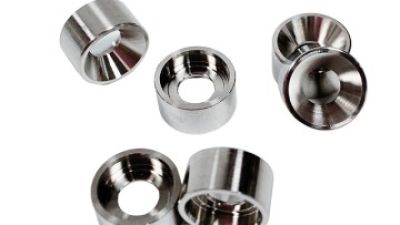
In the automotive industry, the demand for high-quality components is paramount, especially when it comes to critical elements such as automotive sleeves. These cylindrical components are integral to a wide range of applications including engines, drivelines, and fuel injectors. According to industry reports, the global automotive parts market is expected to reach $1 trillion by 2025, indicative of the increasing emphasis on dependable and efficient components.
Custom automotive sleeves are designed to provide superior structural support, effective sealing, and significant reduction of friction and wear in various applications. This performance is essential, as friction and wear can lead to premature failure of vital automotive systems. Recent studies highlight that high-quality sleeve manufacturers often utilize advanced materials and precision engineering processes, resulting in better durability and efficiency.
As the automotive sector continues to innovate, so does the need for reliable suppliers who can deliver components that meet stringent industry standards. The reliability of automotive sleeves not only affects vehicle performance but also plays a significant role in overall vehicle safety and longevity. Investing in high-quality automotive sleeves translates to enhanced performance and a longer service life for vehicles, making them a critical element in the manufacturing and maintenance of modern automobiles.
FAQS
: Understanding the market dynamics and local regulations is essential for efficient sourcing.
Networking leads to valuable insights and better pricing, but credibility must be assessed.
Attending trade shows and using online databases helps in identifying reliable suppliers.
Certifications like ISO 9001 and IATF 16949 indicate quality management and reliability.
Research local rules and understand country-specific tariffs to ensure compliance.
Customs brokers simplify complex regulations and can prevent costly mistakes.
Regular communication and performance evaluation are key to building trust and accountability.
Technology can streamline the process, but human oversight is crucial to avoid data inaccuracies.
Relying solely on technology without understanding local practices can lead to setbacks.
Staying informed about regulations and market changes requires ongoing learning and adaptation.
Conclusion
The article "2026 How to Source European Automotive Parts Efficiently?" explores the intricate dynamics of the European automotive parts market, highlighting the importance of understanding market trends and identifying key suppliers within the sector. It emphasizes the necessity of evaluating quality standards to ensure that sourced parts meet rigorous requirements, while also leveraging technology to streamline the sourcing process for greater efficiency.
Moreover, building strong relationships with suppliers is crucial for success in the automotive industry, alongside effectively navigating the complexities of import regulations and tariffs that can impact sourcing strategies. Lastly, the article advocates for the implementation of sustainable sourcing practices to create resilient automotive supply chains, ensuring that procurement processes align with environmental and ethical standards. By focusing on these foundational aspects, businesses can optimize their sourcing of European Automotive Parts effectively in the competitive landscape.