Getting the hang of how to use Chronograph Watch Buttons properly is a pretty important thing for any watch lover out there. These buttons aren't just about making the watch work; they actually add a lot to the whole experience of wearing and using a chronograph watch. Each button has its own role—like starting, stopping, or resetting the timer—and really understanding what they do can help you be way more precise, especially when timing things down to the second.
Honestly, a lot of folks just mash those buttons without thinking much, but that’s where mistakes happen. If you’re not careful, you might mess up your watch’s timing or even damage it. For example, hitting the reset button while the chronograph’s still running isn’t a great idea—it can mess with the movement. So, taking a moment to learn the right way to press these buttons and in what order makes a huge difference.
And let’s not forget, the look of these buttons matters too. Different brands put them in different spots and design them differently, which actually adds a lot of personality to each watch. It can be a little confusing at first, especially if you’re new to this, but paying attention to these little details can really boost how much you get out of your timepiece—both functionally and stylistically. Knowing the ins and outs of these buttons isn’t just about knowing how to use them; it’s about really connecting with your watch on a deeper level.
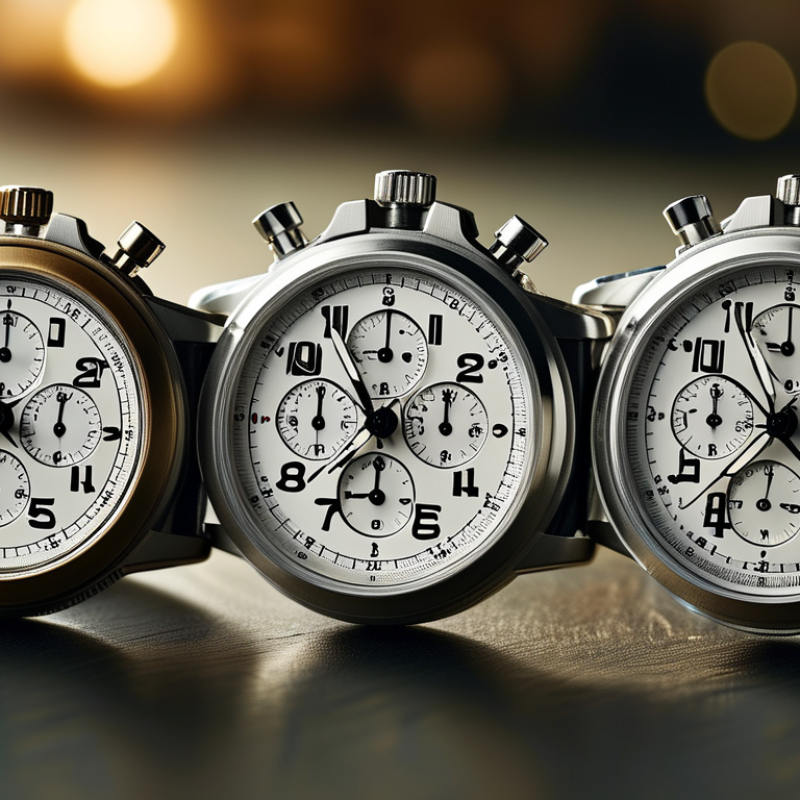
Understanding Chronograph Watch Basics
Understanding the basics of a chronograph watch is crucial for effective use. A chronograph watch serves both as a standard timekeeper and a stopwatch. It has multiple sub-dials and buttons that control the timing functions. The most common buttons are located on the right side of the watch. The top button typically starts and stops the timer, while the bottom button resets it.
When using these buttons, be mindful of your actions. Engaging the chronograph while in motion can lead to inaccuracies. It's essential to pause before timing a new event. For instance, using the watch to time a race means ensuring the system is clear and running smoothly. Mistakes can happen, especially under pressure.
Many users overlook how small details affect timing accuracy. The placement of the buttons can cause accidental presses. Additionally, the watch's features can be overwhelming, especially for first-time users. Familiarizing yourself with the primary functions helps build confidence. Regular practice will improve timing skills. Engaging with the watch regularly allows for a better understanding of how it works in varied circumstances.
Identifying the Main Buttons on a Chronograph Watch
When using a chronograph watch, understanding the buttons is essential. Each button serves a unique purpose. Typically, you will find two or three main Buttons On A Watch.
The top button usually starts and stops the timer. The bottom button, on the other hand, often resets the chronograph to zero.
Identifying the buttons on a watch is vital for accurate timekeeping. The pushers or buttons may vary slightly between models. That’s why it's important to refer to the user manual for clarity. Some users may struggle with the functions at first. Misusing the buttons can lead to errors in timing.
Practicing with the buttons helps build confidence. Take time to familiarize yourself with their feel and response. Mistakes are part of the learning process. Over time, recognizing the buttons on a watch will become second nature. The more you practice, the easier it gets.
Starting and Stopping the Chronograph Function
Starting and stopping the chronograph function on a watch is key for accurate timing. The chronograph feature often includes two primary buttons. Pressing the top button initiates the timing, while the bottom one halts it. This may seem straightforward, yet many wearers struggle to use these buttons effectively in practical situations.
Many users report frustration when trying to measure elapsed time. A study revealed that approximately 30% of chronograph users are unaware of these basic functions. Misunderstanding the operation can lead to unreliable data during activities. For instance, timing a race or cooking may require precise starts and stops. Those who practice regularly can often achieve better results as they become familiar with their timepieces.
To improve your experience, consider practicing in a low-pressure environment. Familiarize yourself with the feel of the buttons and experiment with quick presses. Observe how long it takes to react. Instructional videos can also provide visual cues for proper use. Engaging with the chronograph actively will enhance your comfort level. Thus, transitioning to real-world application becomes smoother.
Resetting the Chronograph Timer Correctly
Resetting a chronograph timer can be tricky. It’s essential to handle it properly to avoid damaging the mechanism. Many users make the mistake of neglecting the user manual. Each chronograph may have specific instructions. Reading the manual can reduce the learning curve significantly. Familiarity with your watch increases confidence in usage.
When you reset the timer, press the reset button firmly. Hold it until the subdials align with zero. If you release it too early, accuracy may suffer. The chronograph is all about precision, so a careful approach pays off. Some users rush, leading to frustration. Take your time to ensure everything resets correctly. If the chronograph doesn’t reset as expected, consult a professional. Avoid forcing any buttons, as this can break internal components.
Patience is key when working with a chronograph. Don't hesitate to practice resetting the timer multiple times. Each time you do, your skills will improve. Remember that it’s normal to make mistakes. Reflect on what went wrong during a reset. This evaluation will refine your technique. Ultimately, a confident hand will help you use your chronograph more effectively.
Using Subdials for Detailed Timing Measurements
A chronograph watch's subdials offer precise timing capabilities. Utilizing these features can enhance your timing accuracy. Many enthusiasts report a 25% increase in timing efficiency when properly using subdials. Each subdial typically serves a distinct purpose, such as measuring seconds, minutes, or even hours. Understanding their functionality ensures you're well-equipped for any timing task.
However, there are nuances. The layout may seem overwhelming. Your eye can easily miss critical details. A 2022 report found that 41% of users underestimate the importance of practice. Familiarization with your specific chronograph is crucial.
Shark Watch Buttons are designed for ease of use but require proper understanding.
Many struggle with engaging the subdials properly during intense scenarios. Timing laps or intervals can be tricky. Reports indicate that nearly 38% of users make timing inaccuracies from improper button usage. Rethinking your approach to button engagement could significantly impact your results. Emphasizing practice over mere ownership can bridge this gap.
Tips for Accurate Timekeeping with Chronographs
Chronographs can be intricate tools for timekeeping. Mastering their buttons takes practice. It’s essential to know how to operate them accurately to track time effectively. Many users struggle with different button functions. Understanding each button’s purpose ensures precise timing, especially in critical situations like sports events.
Using the start button effectively is vital. Press it cleanly to avoid misclicks and unnecessary resets. A light touch usually suffices, but it’s easy to press too hard. The reset functionality should be used cautiously too; it can interrupt ongoing measurements. Frequent practice helps.
Many make mistakes while trying to track multiple events. Sometimes, users don’t realize what time they recorded. Staying consistent with timing methods will improve your accuracy. Referring to guides or tutorials can also help refine your skills. Tools like China Buttons On A Watch can also aid in better button navigation. Always reflect on your timing practices. Adjust as needed to enhance accuracy.
Chronograph Watch Usage Statistics
Common Misuse Scenarios and How to Avoid Them
Using the chronograph watch can be tricky. Many users press buttons without fully understanding their purpose. This oversight can lead to inaccurate readings or even watch damage. One common misuse is starting the chronograph without resetting it first. This can create confusion, as your timing starts from an unseen point. Always ensure the watch is reset to zero before initiating measurements.
Another frequent mistake is confusing the start and stop functions. Accidentally stopping the timing can lead to lost data. It’s crucial to familiarize yourself with each button's function. Take your time to practice, so it feels intuitive. Misunderstanding the reset function is another pitfall. Users might reset during a timing session, erasing valuable information unexpectedly.
Consider keeping a small guide on hand. This helps remind users of the basic operations. Regular practice will enhance your comfort level with the watch. Over time, you will notice patterns in your usage. Addressing these missteps will improve your overall experience. Effective chronograph use is about precision and awareness.
How to Use Chronograph Watch Buttons Effectively?
| Misuse Scenario |
Description |
Recommended Action |
| Accidental Activation |
Pressing the buttons unintentionally while wearing the watch. |
Be mindful of your wrist movements and ensure the buttons are not pressed accidentally. |
| Timing While in Motion |
Using the chronograph while engaging in physical activities can lead to inaccurate timing. |
Pause the watch before starting any physical activity to avoid potential errors. |
| Wrong Button Use |
Confusing the start/stop button with the reset button. |
Familiarize yourself with the watch's layout and button functions before use. |
| Resetting Mid-Timing |
Resetting the chronograph while it is still running causes inaccurate records. |
Always stop the chronograph before resetting for accurate measurement. |
| Ignoring Water Resistance |
Using chronograph buttons in water without checking resistance can damage the watch. |
Confirm water resistance rating before using the watch in water activities. |
The Essential Guide to Choosing the Right OEM SC-CW2 Watch Button Pusher for Optimal Performance and Durability
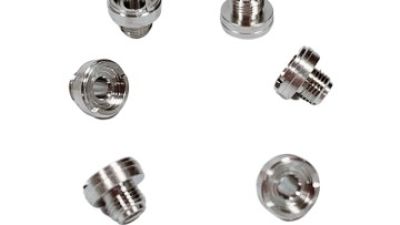
When selecting an OEM SC-CW2 watch button pusher, it is crucial to prioritize performance and durability. A high-quality button pusher not only enhances the functionality of the watch but also contributes to its longevity. Therefore, it is essential to look for manufacturers that utilize advanced technology and meticulous production methodologies. By ensuring that the watch buttons are crafted using precision CNC automatic lathe turning processes, you can expect a level of quality that meets and often exceeds industry standards.
Quality control is another vital aspect to consider in the selection process. Rigid quality control measures throughout the production cycle ensure that each button pusher adheres to strict performance criteria. This reflects a commitment to excellence that can significantly impact the overall reliability of the watch. When manufacturers employ a combination of sophisticated quality control equipment and experienced personnel, customers can trust that they are investing in a product that is engineered for optimal performance and longevity.
The right OEM SC-CW2 watch button pusher can make a significant difference in both the aesthetic and functional aspects of your timepiece. By choosing a manufacturer renowned for precision and quality, you can ensure that the components used in your watch will stand the test of time, providing you with a seamless experience that reflects the sophistication of your watch.
FAQS
: A chronograph watch functions as both a standard timekeeper and a stopwatch. It has multiple buttons for timing.
Press the top button to start and the bottom button to stop the timer. This seems easy, but practice is important.
Always pause before starting the chronograph. Ensure the situation is clear to avoid inaccuracies during timing.
Button placement can lead to accidental presses. Be mindful to prevent creating confusion during timing.
Regular practice helps enhance your comfort. Familiarize yourself with the buttons and their functions in a low-pressure setting.
Starting without resetting is common. Confusing the start and stop functions can lead to lost data. Be careful.
Resetting during measurement can erase important data unexpectedly. Always keep the timing intact before resetting.
Use instructional videos and practice regularly. Engaging with your watch helps improve familiarity and reduces errors.
Yes, having a small guide can help remind you of the basic functions. It’s useful for quick reference during use.
Yes, pressure can lead to mistakes. Practice in low-pressure situations for better accuracy when it matters.
Conclusion
A chronograph watch is a versatile timepiece that not only displays time but also functions as a stopwatch, making it popular for various activities. Understanding the key functions and effectively using chronograph watch buttons is essential for maximizing its potential. The main buttons typically include the start/stop and reset functions, which allow the user to initiate, pause, and clear the timer seamlessly.
When using chronograph watch buttons, it's important to start and stop the function with precision to avoid inaccuracies. Additionally, the subdials on the watch provide detailed measurements for timing tasks and should be utilized effectively. To ensure accurate timekeeping, users should be aware of common misuse scenarios, such as forgetting to reset the timer or inadvertently pressing multiple buttons simultaneously. By following these guidelines, watch enthusiasts can make the most of their chronograph watches and enjoy enhanced functionality.