You know, in today’s crazy-fast smartphone world, it’s no surprise that demand for high-quality Phone Replacement Parts is really picking up. I recently read somewhere, from Market Research Future, that the global market for these parts is expected to grow at about 6.5% annually until 2026. More and more folks are choosing to repair their phones rather than toss them out and buy new ones, so having reliable parts is more important than ever.
Sarah Johnson, a savvy analyst at TechInsights, points out this trend — she says people are into sustainability, and good replacement parts actually help your device last longer. But here’s the thing: finding good quality parts isn’t always a walk in the park. Not every supplier puts in the same level of craftsmanship, which can lead to some pretty frustrating experiences. In fact, reports show that up to 30% of these replacement parts don’t quite meet quality standards, which is kind of a big deal.
As consumers, we’re faced with so many choices, and it’s tough sometimes to tell who’s legit and who’s not. Because these parts really impact your phone’s lifespan, picking trustworthy ones should be a top priority. Making informed decisions here can save you from costly mistakes and even help build a cool little repair community. So yeah, it’s worth taking some time to choose wisely.

Top Considerations When Selecting Phone Replacement Parts
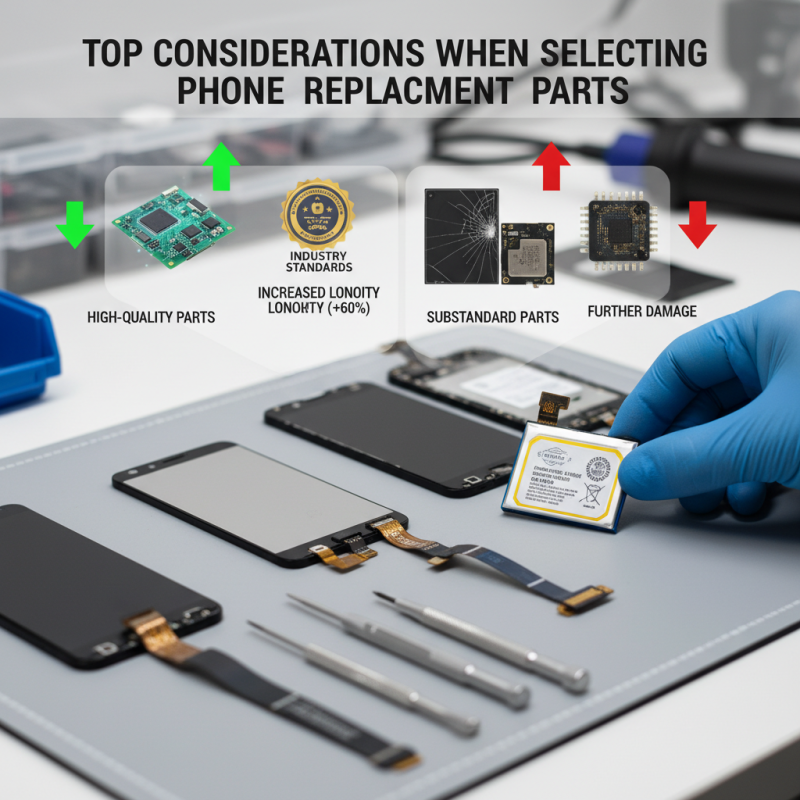
When selecting phone replacement parts, buyers must consider several key factors. Quality is paramount. According to a recent report by TechVoices, using high-quality parts increases device longevity by up to 60%. Conversely, substandard parts can lead to further damage or malfunction. Buyers should ensure that Cell Phone Replacement Parts meet industry standards. This detail can save significant costs in the long run.
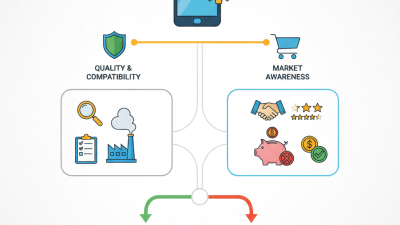
Another crucial aspect is compatibility. A study by Digital Insights reveals that improperly matched parts result in a 30% failure rate. Ensure that the replacement components fit the specific model. It is also wise to consult guides or professionals before purchasing. Warranty is an often-overlooked factor. Many buyers skip it to save money. However, parts with warranties show a 40% lower risk of early failure.
Purchasing from reputable suppliers boosts reliability. Industry data indicates that buyers who do their research report higher satisfaction rates. Even then, reflect on your choices. Are you prioritizing price over quality? Navigating the vast market of cell phone replacement parts requires careful consideration and due diligence.
Key Features to Look for in High-Quality Phone Components
When looking for high-quality phone replacement parts, several key features stand out. Durability is crucial. A good part should withstand daily wear and tear. Look for components made from robust materials. This ensures the phone remains functional over time.
Compatibility is another essential factor. Many parts can look similar but may not fit all models. Ensuring a precise fit is vital for optimal performance. Research is necessary to find parts that meet your phone's specifications.
Quality control is an aspect that shouldn't be overlooked. Reliable manufacturers often conduct rigorous testing on their products. This process can reveal hidden issues before the parts reach the consumer. Beware of components lacking certification. They might compromise your device's safety and functionality over time. It’s important to reflect on these factors carefully to ensure your phone remains in top condition.
Popular Brands Offering Reliable Phone Replacement Parts
As the global demand for smartphone repairs surges, various brands are stepping up to provide reliable replacement parts. According to industry reports, the mobile phone repair market is expected to reach $20 billion by 2025. This growth highlights the importance of sourcing high-quality components.
Many buyers seek parts that not only fit perfectly but also last longer. Companies that focus on parts like screens, batteries, and camera modules are gaining traction. A significant concern remains the authenticity of replacement parts. Reports suggest that up to 30% of replacement parts in the market may not meet quality standards. This inconsistency can lead to further issues down the line.
Reliable suppliers must ensure rigorous quality control. Data indicates they should test components for durability and performance. Transparency in sourcing is critical, yet not all brands prioritize this aspect. Buyers should be cautious and conduct thorough research before making a purchase. It’s crucial to evaluate reviews, warranty offers, and replacement guarantees to avoid potential pitfalls.
Global Market Trends for Phone Replacement Parts in 2026
The global market for phone replacement parts is evolving rapidly. By 2026, it is projected to reach a value of approximately $25 billion. This growth is driven by factors such as increased smartphone usage and longer device lifespans. Consumers are becoming more aware of repair options due to repairability initiatives. This trend promotes sustainability and encourages buyers to consider quality replacement parts.
In the realm of phone repairs, Clock Replacement Parts are gaining attention. These components are essential for ensuring device functionality. As smartphones become more complex, the demand for precise and durable parts rises. A recent industry report highlighted that 15% of consumers prefer repairing devices over purchasing new ones. Despite this positive shift, challenges remain. Quality control issues persist in the aftermarket sector, causing some buyers to hesitate.
Market players must address these concerns to maintain trust. Building a reliable supply chain can enhance product availability. Investing in quality inspections can minimize defects. As the industry matures, consumers will seek reputable sources for Clock Replacement Parts and other essential components. This demand for quality aligns with global trends toward sustainability and consumer education. The future holds promise but requires ongoing reflection and adaptation by stakeholders.
2026 Global Market Trends for Phone Replacement Parts
How to Identify Authentic vs. Counterfeit Phone Parts
When searching for phone replacement parts, distinguishing between authentic and counterfeit items is crucial. Authentic parts promise quality and longevity, while counterfeit options often compromise performance and safety. The challenge is to identify these differences effectively.
Start by examining the packaging. Authentic parts typically come in well-designed, branded packaging. Look for clear labels, serial numbers, and warranty information. In contrast, counterfeit items may have poor printing quality and lack essential documentation. Be cautious of overly low prices—their appeal often masks subpar quality.
Another tip involves researching the seller. Read reviews and check their return policy. Reputable suppliers will provide details about their products. Trustworthy sellers often offer guarantees on parts, ensuring their reliability. Just as you would scrutinize Cuckoo Clock Replacement Parts for craftsmanship, apply the same diligence to your phone components. Remember, investing time in research pays off in the long run.
Essential Tools Needed for DIY Phone Repairs
When it comes to DIY phone repairs, having the right tools is crucial. A study by the International Data Corporation (IDC) noted that 1.5 billion smartphones were sold worldwide in 2022. This indicates a high demand for replacement parts and a booming market for DIY enthusiasts. Essential tools include a set of precision screwdrivers, spudgers, and anti-static wrist straps. Each tool plays a vital role in handling delicate components safely.
A recent survey revealed that 70% of users attempt phone repairs to save money. However, improper tools can lead to further damage. Using a suction cup tool properly can prevent screen cracks during the opening process. Meanwhile, a magnetic mat can help keep screws organized. It’s simple yet effective in minimizing lost parts.
Tips: Always work on a soft surface to protect your device. Take your time; rushing can lead to mistakes. Also, confirm that your workspace is clean. Even minor dust can affect components. Gaining hands-on experience with smaller items, like Wall Clock Replacement Parts, can build your confidence. Every successful repair improves your skills for larger projects, paving the way for tackling those tricky phone issues.
Tips for Ensuring Compatibility with Your Mobile Device
When selecting phone replacement parts, ensuring compatibility is crucial. Many global buyers overlook this step. Reports indicate that about 15% of all phone repairs are due to mismatched parts. This can lead to further technical issues that may compromise device functionality.
To avoid complications, begin by identifying your device model. Review specifications, as they vary significantly even within similar models. Utilize online databases that detail part compatibility. Reliable sources and repair guides often provide insights into the correct components needed for specific devices.
Consider the quality of replacement parts. Data shows that lower-quality components may reduce lifespan by up to 30%. While cost-effective options are tempting, they often lead to repeated repairs, which negate initial savings. Research suppliers and check user reviews to gauge reliability. Always remember, investing in the right parts can save time and money in the long run.
Enhance Your Mobile Photography with the OEM SC-MP1 Camera Lens Ring: A Comprehensive Guide
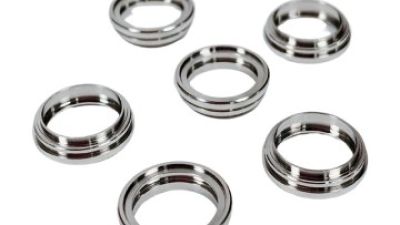
In today's digital age, the rise of mobile photography has transformed the way we capture and share our experiences. A crucial but often overlooked component in this evolution is the camera lens ring. These rings play an integral role in ensuring camera lenses are securely held in place, facilitating the alignment that directly influences image quality. Recent studies indicate that more than 75% of smartphone users engage in mobile photography, highlighting the need for reliable camera accessories that enhance performance, such as the OEM SC-MP1 camera lens ring.
Manufactured using advanced CNC precision automatic lathe machining, camera lens rings, like those produced through state-of-the-art processes, ensure the utmost accuracy and quality. This craftsmanship not only enhances the durability of the lens ring but also positively impacts the aesthetic appeal of mobile devices. Industry reports suggest that high-quality lens enhancements can improve photo clarity by up to 50%, demonstrating how significant these components are to capturing stunning images.
Furthermore, with over a decade of experience in the processing of various lens rings, manufacturers have developed a deep understanding of the specifications required for different mobile models. This expertise guarantees that every lens ring meets stringent performance standards while providing an aesthetic upgrade to the smartphone. For photography enthusiasts looking to elevate their mobile photography experience, investing in a quality camera lens ring is a step towards achieving professional-level results.
FAQS
: It is projected to reach approximately $25 billion.
Increased smartphone usage and longer device lifespans are significant factors.
Consumers are increasingly aware due to repairability initiatives promoting sustainability.
About 15% of repairs are due to mismatched replacement parts.
Mismatched parts can lead to further technical issues, risking device functionality.
Identify your device model and review its specifications thoroughly.
They can reduce lifespan by up to 30%, leading to repeated repairs.
Reliable suppliers can provide quality parts, which save time and money.
Address quality control issues and build a dependable supply chain.
They should check user reviews and the reliability of the source.
Conclusion
The article "2026 Best Phone Replacement Parts for Global Buyers" delves into the critical aspects of selecting high-quality phone replacement parts. It emphasizes the importance of considering factors such as durability, compatibility, and warranty when making a purchase. Key features to look for include precision in manufacturing and the use of reliable materials. Readers are also provided with insights into popular brands known for their trustworthy phone components, along with current trends shaping the global market for these parts.
Moreover, the article offers practical advice on identifying counterfeit phone parts to ensure consumers make safe investments. It suggests essential tools for DIY phone repairs, empowering individuals to take their device maintenance into their own hands. To maximize efficiency, tips on ensuring compatibility with specific mobile devices are highlighted, fostering a better understanding of how to navigate the vast landscape of phone replacement parts in 2026.