Leave Your Message
0%

The worldwide demand for automotive body parts is actually on the rise. This is pretty much driven by more vehicle production, longer ownership periods, and of course, stricter repair expectations from both consumers and regulators. According to OICA, a global automotive organization, around 93.5 million vehicles were made in 2023—that's a lot! With so many cars on the road, there's a steady need for parts like fenders, hoods, bumpers, doors, grilles, and structural panels. These components need to fit just right, resist corrosion, and support safe repairs—pretty important stuff.

Now, if you're looking into sourcing these parts in 2026, this guide is here to help you review some of the top suppliers around the globe. We consider factors like manufacturing capacity, how extensive their catalogs are, quality control systems, experience with exports, warranty policies, and the documentation they provide. Certifications like IATF 16949 and ISO 9001 are good indicators—they show that a company has solid production controls. But just having certificates isn’t a guarantee that every part will be perfect; it’s also smart to look at sample panels, check coating thickness, see how sturdy the packaging is, and ensure batch traceability—little details that really count.

It’s also helpful to put things into perspective with industry reports. For example, S&P Global Mobility mentioned that by 2024, the average age of cars on US roads hit about 12.6 years. Older cars tend to need more replacement body parts, which keeps the demand steady. Then there's the Auto Care Association, which puts the U.S. automotive aftermarket at hundreds of billions of dollars each year—that's a huge market! But, here’s the thing—public reports rarely break down collision body parts from the broader aftermarket. That’s a bit of a limitation, so keep that in mind. And honestly, no ranking or report can be perfect.

The companies featured include well-established manufacturers, aftermarket specialists, and international distributors. Their capabilities might vary based on your region, the vehicle brand, the material you need, and the size of your order. So, before you lock anything in, make sure to double-check certs, applicable safety standards like ECE or FMVSS, delivery terms, and any local import rules. Finding reliable sources isn’t just about getting the lowest price—in fact, it’s more about consistent quality, solid proof of where your parts are coming from, and fewer surprises at the repair shop down the line.
2026 Best Automotive Body Parts Suppliers for Global Buyers

Defining Automotive Body Parts Suppliers in the Global Market

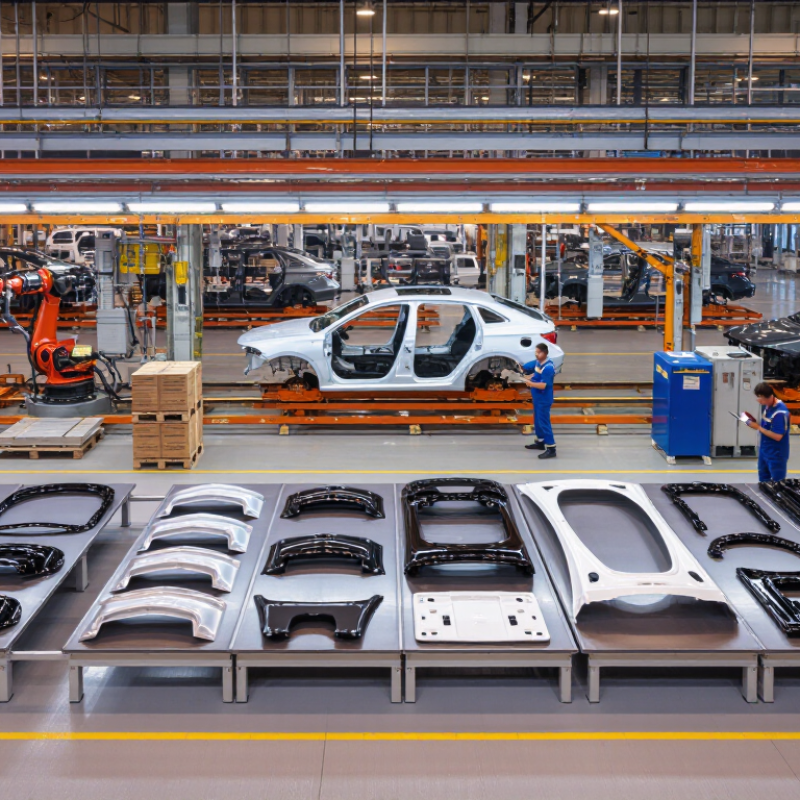
In the global market, automotive body parts suppliers are more than factories that press steel. They coordinate design data, tooling, material control, finishing, packing, and delivery. A capable supplier can explain each stage in plain language. That matters when buyers work across time zones, languages, and regulations. China Automotive Body Parts suppliers often serve this demand through large production networks and flexible tooling capacity. Yet factory size alone proves little. Buyers need evidence.

During supplier evaluations, I look for traceable heat numbers, dimensional inspection records, and controlled change procedures. Clear samples help too. A door panel should match the approved drawing, not merely look similar under warehouse lights. Strong suppliers use calibrated gauges, corrosion checks, and documented corrective actions. They also understand fit, gap, surface quality, and crash-related specifications when applicable. Compliance documents must match the actual production site. Generic files can create false confidence.

Reliable communication is part of product quality. Suppliers should confirm tolerances, packaging details, lead times, and shipment risks before purchase orders are released. Small details matter. One missing bracket can delay assembly. Export packing should protect edges from moisture, scratches, and compression. I would also test response during a minor issue, not only during smooth negotiations. No supplier is perfect, and buyers should admit their own unclear drawings or late revisions. That reflection prevents repeated defects. Price remains important, but unstable quality, hidden tooling changes, or weak after-sales support can cost more than the original quotation.

Key Criteria for Evaluating International Suppliers

Choosing an automotive body parts supplier for international purchasing requires more than comparing unit prices. Check whether the supplier can provide material specifications, dimensional inspection records, and clear part-number traceability. Ask how fitment is validated across vehicle variants; a panel that looks correct may still require adjustment at installation. Request sample parts and inspect edges, mounting points, coating consistency, and packaging before approving larger orders. Details matter.

Assess production capacity against your actual demand, not just a sales estimate. Review typical lead times, minimum order quantities, and how delays are communicated. For overseas shipments, confirm packaging protects painted surfaces and vulnerable corners during handling. Ask for written quality procedures and a practical process for reporting defects, reviewing evidence, and arranging corrective action. A polished catalog is not proof, and buyers sometimes trust one too quickly.

Communication also deserves a real test. Send a technical question and note whether the reply is specific, timely, and supported by documents. Clarify warranty coverage, replacement terms, and which inspection records accompany each shipment. These checks cannot eliminate every mismatch or delay. They can, however, reveal gaps before they become costly. Be cautious when answers remain vague, even if the quoted price is attractive. A supplier’s consistency over several conversations may matter more than one confident promise.

2026 Best Automotive Body Parts Suppliers for Global Buyers — Key Criteria for Evaluating International Suppliers

Reference editions of standards buyers may check when reviewing supplier quality, environmental, safety, and automotive-specific processes.

How to use this chart: The bars show elapsed years since each cited edition was published, calculated through 2026—not supplier performance or certification status. Confirm each supplier’s certificate scope, validity, and applicable current requirements during due diligence.

Leading Automotive Body Parts Supplier Categories in 2026

Leading Automotive Body Parts Supplier Categories in 2026

Global buyers typically source body parts through four supplier categories: original-equipment manufacturers, independent aftermarket producers, specialist panel and lighting suppliers, and certified recyclers. The categories overlap; a distributor may also manufacture selected parts. That distinction is not always tidy. Grand View Research valued the global automotive aftermarket at USD 449.3 billion in 2023 and projected 4.1% annual growth from 2024 to 2030. This broad market includes more than body parts, so it is useful context, not a body-panel forecast. S&P Global Mobility reported that the average age of U.S. light vehicles reached 12.6 years in 2024, supporting continued replacement demand.

For buyers, each category fits a different need. OE suppliers can offer vehicle-specific fit, while independent producers may provide broader price options. Specialist suppliers focus on items such as bumper covers, fenders, mirrors, and lamps. Recycled parts can suit repair needs when condition and traceability are clear. Motorcycle Body Parts require their own fitment checks; do not assume a supplier’s car-part range proves motorcycle expertise. Ask for part numbers, material specifications, fitment evidence, and packaging details. A cracked corner after long-distance shipping is costly.

Tips: Compare samples, not just quotations. Check coatings, mounting points, and carton strength. Request inspection records and written defect terms. A low unit price can hide rework, and even careful checks may miss a poor batch.

2026 Best Automotive Body Parts Suppliers for Global Buyers - Leading Automotive Body Parts Supplier Categories in 2026

A practical comparison of major automotive body-part supplier categories, commonly traded products, sourcing characteristics, and buyer-selection criteria.

Supplier Category Typical Body Parts Common Materials Typical Production Method Typical Buyer Segment Customization Capability Indicative MOQ Typical Lead-Time Range Key Quality and Compliance Considerations Best Fit for Global Buyers
Original-Equipment Body Panel Manufacturers Hoods, doors, fenders, roofs, quarter panels, deck lids Galvanized steel, high-strength steel, aluminum Progressive stamping, deep drawing, laser cutting, robotic welding Vehicle manufacturers, tier-one system suppliers, authorized repair networks Very high
Vehicle-specific tooling and engineering support
Usually project-based or high-volume; tooling approval normally required Approximately 8–24 weeks after design and tooling approval Dimensional accuracy, corrosion protection, crash-related design requirements, traceability, and quality-management controls Large-volume programs requiring exact fit and consistent production performance
Aftermarket Replacement Panel Suppliers Fenders, hoods, bumpers, grilles, door skins, radiator supports Steel, aluminum, polypropylene, ABS, polyurethane Stamping, injection molding, extrusion, welding, surface finishing Distributors, repair chains, collision-repair shops, online parts sellers Medium to high
Part-number, finish, packaging, and labeling options
Often lower than original-equipment programs; varies by part and tooling status Approximately 4–12 weeks for stocked or established products Fit, gap alignment, coating quality, corrosion resistance, packaging protection, and applicable aftermarket regulations Buyers seeking competitive replacement coverage across multiple vehicle applications
Plastic Exterior Parts Suppliers Bumpers, grilles, mirror covers, wheel-arch liners, rocker panels PP, ABS, PC/ABS, TPO, HDPE, polyurethane Injection molding, blow molding, thermoforming, painting, hot stamping Automotive assemblers, aftermarket wholesalers, customization businesses High
Texture, color, mounting points, and mold development
Typically medium to high because molds and production runs affect cost Approximately 6–18 weeks, including mold development where required Material identification, impact performance, UV resistance, dimensional stability, paint adhesion, and recycling information Programs requiring lightweight exterior components and integrated styling features
Lighting and Exterior Visibility Component Suppliers Headlamp housings, lamp covers, fog-lamp bezels, side-marker housings Polycarbonate, PMMA, ABS, aluminum, coated steel Injection molding, optical coating, sealing, electronic assembly Vehicle manufacturers, replacement-parts distributors, commercial-vehicle operators High
Optical design, housing geometry, connectors, and sealing
Generally medium; electronic or optical projects may require dedicated tooling Approximately 8–20 weeks depending on testing and certification needs Light distribution, ingress protection, photometric performance, thermal management, electromagnetic compatibility, and market-specific approval Buyers requiring safety-critical exterior visibility components for defined markets
Metal Exterior Trim Suppliers Door moldings, badges without branding, sill plates, window surrounds, trim strips Aluminum, stainless steel, zinc alloy, plated steel Roll forming, stamping, extrusion, die casting, polishing, anodizing, plating Vehicle assemblers, trim-system suppliers, restoration and customization businesses High
Profiles, finishes, lengths, holes, and mounting systems
Low to medium for standard profiles; higher for dedicated tooling Approximately 4–14 weeks after sample approval Surface finish, dimensional consistency, galvanic-corrosion control, edge safety, adhesion, and weather resistance Projects prioritizing appearance, corrosion resistance, and precise decorative fit
Chassis and Underbody Protection Suppliers Skid plates, splash shields, underbody panels, wheel-well shields, brackets Stamped steel, aluminum, PP, HDPE, composite materials Stamping, bending, injection molding, compression molding, riveting Commercial-vehicle fleets, off-road businesses, repair distributors, vehicle manufacturers Medium to high
Vehicle-specific mounting and material selection
Medium; standard protective parts may be available in smaller batches Approximately 5–16 weeks depending on tooling and testing Load resistance, ground-clearance compatibility, heat resistance, noise control, corrosion protection, and secure fastening Applications needing protection from water, stones, debris, and underbody exposure
Composite and Lightweight Body Component Suppliers Body panels, tailgate panels, aerodynamic covers, reinforcement panels Glass-fiber composites, carbon-fiber composites, SMC, thermoplastics Compression molding, resin transfer molding, thermoforming, CNC trimming Electric-vehicle programs, performance vehicles, specialty vehicles, fleet conversions Very high
Part geometry, fiber layout, inserts, and surface finish
Usually medium to high; economical production depends on program volume Approximately 8–24 weeks for new designs and validation Fiber orientation, impact behavior, bonding, dimensional stability, fire performance where applicable, and repairability Programs focused on weight reduction, aerodynamic efficiency, or low-volume specialty production
Commercial-Vehicle Body Structure Suppliers Cab panels, cargo doors, side panels, roof panels, step assemblies Galvanized steel, aluminum, stainless steel, sandwich panels Sheet-metal forming, roll forming, welding, bonding, riveting Truck and bus manufacturers, fleet operators, body builders, maintenance distributors High
Vehicle dimensions, mounting layouts, load requirements, and fleet specifications
Medium to high; often tied to fleet or vehicle-platform orders Approximately 6–18 weeks for established designs Structural integrity, payload impact, corrosion protection, door sealing, repairability, and applicable commercial-vehicle regulations Fleet and commercial-vehicle buyers requiring durable, serviceable body components
Restoration and Low-Volume Body Panel Suppliers Classic-car panels, repair sections, replacement floor panels, patch panels Mild steel, galvanized steel, aluminum Low-volume stamping, hand forming, CNC cutting, welding, bead rolling Restoration workshops, specialist distributors, collector-vehicle owners High
Small-batch tooling, reproduction profiles, and repair-section design
Low to medium; small production batches are common Approximately 3–12 weeks depending on inventory and fabrication complexity Profile accuracy, panel gauge, corrosion protection, weldability, packaging, and documentation of reproduction status Buyers serving niche vehicle platforms or requiring flexible small-batch sourcing
Automotive Body Hardware Suppliers Hinges, latches, brackets, clips, fasteners, gas struts, mounting kits Carbon steel, stainless steel, zinc alloy, engineering plastics Cold heading, stamping, die casting, injection molding, heat treatment, plating Body-panel manufacturers, repair distributors, assembly plants, service networks Medium
Dimensions, coatings, spring force, packaging, and kit configuration
Low to high depending on tooling, coating, and packaging requirements Approximately 3–12 weeks for standard components Fastener grade, torque, corrosion resistance, fatigue performance, retention force, and controlled material certification Buyers needing reliable installation hardware and complete repair kits

Note: MOQ and lead-time figures are indicative industry ranges rather than quotations. Actual requirements depend on part geometry, tooling status, material, validation scope, order volume, destination market, and shipping method. Buyers should request current drawings, inspection plans, material certificates, applicable conformity documents, packaging specifications, and sample approval before placing an order.

Quality, Certification, and Manufacturing Standards

2026 Best Automotive Body Parts Suppliers for Global Buyers

Quality begins with measurable control, not attractive catalog images. Reliable Auto Body Parts suppliers should provide material certificates, dimensional reports, and batch traceability. Each panel, bracket, or bumper reinforcement needs a recorded production path. Buyers should check steel grade, coating thickness, weld consistency, and corrosion resistance. Small gaps can become costly fitting problems.

Manufacturing standards reveal how a supplier works daily. ISO 9001 supports documented quality systems, while IATF 16949 reflects automotive process discipline. PPAP records, control plans, and first-article inspections offer useful evidence. Salt-spray testing matters for exposed metal parts. So does climate testing for humid or coastal markets. Ask for recent records, not only framed certificates.

A factory visit can expose details that paperwork misses. Look at calibrated gauges, clean storage areas, and labeled material racks. Speak with quality staff, not only sales representatives. Strong suppliers explain corrective actions with dates and measurements. Weak answers often sound polished. Yet no certificate guarantees perfect production. Human errors still happen. Buyers should define acceptable tolerances, packaging standards, and inspection frequency in writing. Independent pre-shipment checks may cost more, but they can prevent rejected containers and delayed repairs.

Global Sourcing, Pricing, and Supply Chain Considerations

Global buyers entering the 2026 automotive body parts market need more than a supplier directory. They need verified production evidence, stable pricing, and clear logistics data. During factory evaluations, I would inspect stamping lines, paint controls, gauge records, and packaging tests. Photos alone are not enough. Ask for recent inspection reports, material grades, mold ownership terms, and capacity by month. A supplier that answers precisely is easier to manage when demand changes.

Pricing should be compared on a landed-cost basis. Include tooling, sample charges, export packing, insurance, freight, duties, and local delivery. A low unit price may hide high rejection rates or expensive minimum orders. Request a quotation with currency, validity period, Incoterm, payment schedule, and replacement policy. Steel and aluminum prices can shift quickly, so fixed prices need a realistic review window. Some buyers still compare only the factory quote. That is a costly habit.

Supply chain resilience depends on more than holding extra stock. Confirm backup processes, approved raw-material sources, mold lead times, and contingency routes through major ports. Use a pilot order before committing to annual volume. Check dimensional reports against the latest drawings, especially around mounting holes and panel gaps. Regional warehouses can shorten delivery, but they also add handling costs and inventory risk. No forecast is perfect. Document every assumption and revisit it quarterly. Even experienced teams miss small details when exchange rates, seasonal congestion, or changing vehicle programs collide.

How to Select the Best Supplier for Your Business Needs

Choosing the right Car Body Parts supplier starts with fit, material quality, and production consistency. Request technical drawings, material grades, surface-treatment details, and tolerance ranges before discussing price. A reliable supplier should provide recent inspection records and traceable batch information. Ask for evidence.

Order samples from the same production line used for larger shipments. Check panel alignment, weld points, paint finish, edge protection, and packaging strength. Place a sample on the vehicle, then inspect gaps under workshop lighting. Small errors become expensive during installation. Measure twice.

Experienced buyers also review delivery performance, minimum order quantities, payment terms, and warranty procedures. A supplier may offer excellent parts but struggle with export documents or seasonal capacity. Confirm packing dimensions, shipping responsibilities, and response times in writing. Speak with the quality manager, not only a salesperson. Factory visits or live video inspections can reveal storage problems, unclear labeling, or rushed final checks.

Certifications can support supplier credibility, but certificates alone do not prove consistent performance. Compare audit results, corrective-action records, and customer references from similar markets. Keep a scoring sheet for quality, lead time, communication, and total landed cost. My own preference is not always perfect; I have sometimes valued a low quote too highly and ignored delayed replies. That mistake deserves review before signing a long-term agreement.

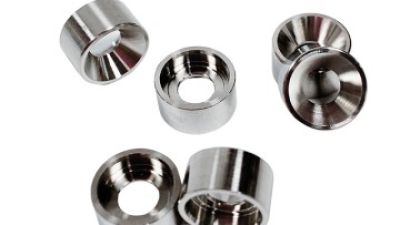
China OEM SC-A3 Automotive Sleeves: Factory-Made Quality, Reliable Sourcing, and Performance Benefits

China OEM automotive sleeves are precision-made cylindrical components designed to support dependable performance across a range of vehicle systems. Manufactured to customer specifications, they can be used in engines, drivelines, and fuel injectors, where accurate dimensions and consistent materials are important. Their functions may include supporting connected parts, helping maintain effective seals, and reducing friction and wear during operation.

Working directly with a China-based factory can make sourcing more straightforward, from discussing drawings and material requirements to arranging production and quality checks. Consistent manufacturing processes help ensure that each sleeve meets agreed specifications, while customization allows buyers to select dimensions and features suited to their applications. Clear communication about tolerances, operating conditions, and order quantities can further support a reliable supply plan.

Well-designed sleeves can contribute to smoother interaction between components and help protect critical contact surfaces from premature wear. With careful engineering and appropriate material selection, they are suitable for demanding automotive environments where durability and stable fit matter. OEM production offers manufacturers and distributors a practical way to source application-specific components with consistent quality and performance.

FAQS

What documents should an international body parts supplier provide?

Request material specifications, dimensional inspection records, and clear part-number traceability. These documents support fitment checks. A polished catalog is not enough.

How can I verify whether a panel will fit correctly?

Ask how fitment is tested across vehicle variants. Inspect sample panels, mounting points, edges, and dimensions. A panel may look right but still need adjustment.

What should I inspect in a sample part?

Check edge quality, coating consistency, mounting holes, surface damage, and overall shape. Use photographs and measurements. Small details matter.

How should production capacity be evaluated?

Compare capacity with your real demand, not a hopeful sales estimate. Confirm lead times, minimum order quantities, and delay notifications. Promises can change.

What packaging details matter during overseas shipping?

Check whether cartons protect painted surfaces and vulnerable corners. Inspect internal padding, moisture protection, and carton strength. A cracked corner can create costly rework.

How should defects and warranty claims be handled?

Request written warranty coverage, replacement terms, and inspection requirements. Clarify how evidence is submitted and corrective action is arranged. Vague terms create friction.

Which supplier category may suit different purchasing needs?

Original-equipment suppliers may support vehicle-specific fit. Independent producers may offer broader price choices. Specialist suppliers often focus on panels, lamps, mirrors, or bumper covers. Certified recyclers can suit repairs when condition and traceability are clear.

How can communication quality be tested before ordering?

Send a technical question and assess the reply. It should be specific, timely, and supported by documents. One confident promise proves little.

Are motorcycle body parts evaluated like car body parts?

No. Motorcycle parts need separate fitment checks and technical evidence. A supplier’s car-part range does not prove motorcycle expertise. I would verify twice.

Can careful supplier checks remove every purchasing risk?

No. Checks can reveal gaps before they become expensive. They cannot prevent every mismatch, delay, or weak batch. Review the decision again.

Conclusion

Automotive Body Parts suppliers serve a global market by manufacturing and distributing components for vehicle exteriors and body structures. Choosing an international supplier involves assessing product range, production capacity, technical support, communication, delivery performance, and experience serving businesses in relevant markets. Supplier options may include original-equipment manufacturers, aftermarket producers, specialist component makers, and broad-line distributors, each suited to different purchasing needs.

Before sourcing, buyers should review quality controls, applicable certifications, manufacturing processes, and consistency across production runs. Pricing should be evaluated alongside shipping costs, lead times, minimum order quantities, inventory availability, and supply-chain resilience. The best supplier is not necessarily the one offering the lowest price; it is the one whose capabilities, standards, service, and delivery terms align with the buyer’s products, budget, and long-term business goals.

Amelia

Amelia

Amelia is a dedicated marketing professional at Dongguan Shouci Hardware Products Co., Ltd., where she plays a vital role in promoting the company’s innovative offerings. With her extensive knowledge of the industry and the company’s product range, she ensures that the latest blog articles on the......
Previous What Is the Best CNC Processing Center in China?